Operations | Monitoring | ITSM | DevOps | Cloud

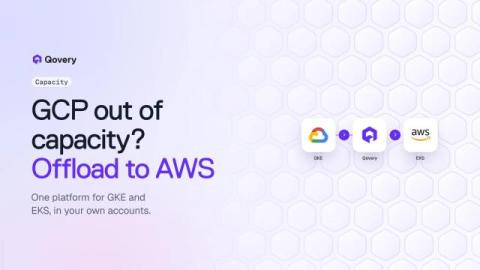
GCP Out of Capacity? How to Offload Workloads to AWS Without Running a Second Platform

Google says it is compute constrained, and GKE teams now hit ZONE_RESOURCE_POOL_EXHAUSTED on CPU machine families, not only GPUs. Here is what the error means, what Google recommends, what AWS can and cannot offer, and how to offload workloads from GCP to AWS with one platform instead of two. Romaric founded Qovery to make Kubernetes accessible to every engineering team. He writes about platform strategy, developer experience, and the future of cloud infrastructure.
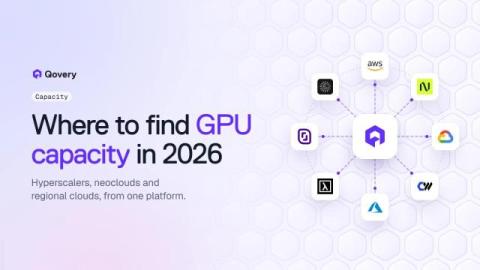

Where to Find GPU Capacity in 2026: Hyperscalers, Neoclouds and Regional Clouds

Google, CoreWeave and Nebius all say they are short of GPUs. Here is where capacity still exists in 2026, which GPU clouds offer managed Kubernetes, how to connect a second cloud to your first one, and how to run GPU services on all of them from one platform. Romaric founded Qovery to make Kubernetes accessible to every engineering team. He writes about platform strategy, developer experience, and the future of cloud infrastructure.
Why 76% of AI agent pilots stall, and how your Agentic ITOps pilot can avoid the same fate

The debate is no longer whether AI belongs in ITOps; it’s about how quickly it can be implemented, how to measure it, and who’s accountable when it acts. And although IT leaders across industries are scrambling to integrate agentic AI into their operations, those deployments are facing serious challenges. A new Harris Poll survey of more than 300 U.S. data and AI decision-makers puts a number on the problem.

CertKit now has 86 built-in deployment templates

There are lots of ways to get a certificate. Getting it onto your Cisco ISE, IBM i, or WatchGuard VPN is the hard part. We keep making that easier. Since July, CertKit has added 51 new deployment templates, more than doubling the library to 86. Each platform has a built-in deployment template, and most have a deployment guide for the setup details. Setup is just picking a certificate and setting a few variables.

Monitoring the Monitor: When One of Our Uptime Vendors Went Quiet for 27 Hours

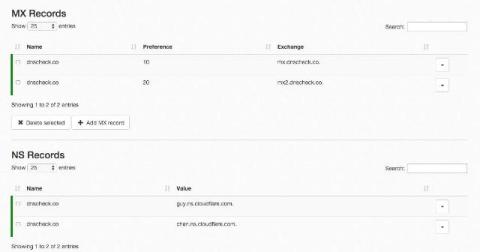
DNS Check watches its own infrastructure with several layers of monitoring, including DNS Check itself and third-party uptime monitoring services. One of those vendors polls a private health endpoint on our servers every five minutes, from probes around the world. That endpoint runs a set of internal checks (disk space, mail delivery, background job queues, DNS resolvers, and more) and returns an error if any of them fail. If it errors or stops responding, the vendor alerts us.

Cloud Outage Tracker: Major AWS, Azure, Google Cloud, and Cloudflare Outages Since 2020

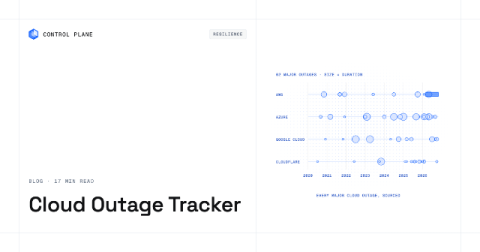
Last updated: October 21, 2026. This tracker lists every major AWS, Microsoft Azure, Google Cloud, and Cloudflare outage since January 2020, with each provider’s own stated duration, root cause, and source. It covers 62 major incidents. The median outage lasted 6h 12m, and the most common cause was a configuration or deployment change (20 of 62, 32%), not hardware failure. We add new incidents as providers publish their post-incident reports. Control Plane publishes this tracker.

How to Let AI Agents Operate Production Infrastructure Safely

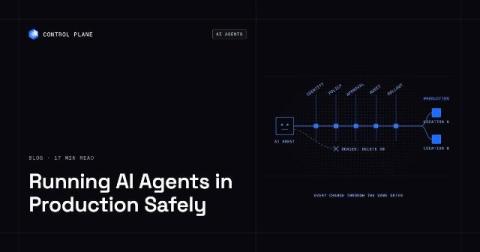
Yes, it can be safe to let an AI agent change production infrastructure, if the agent works through the same controls you would demand of a new engineer: scoped permissions, short-lived credentials, a tamper-proof audit trail, changes that roll out gradually behind health checks, and a fast rollback. The infrastructure also has to be built so that one bad change cannot take everything down.

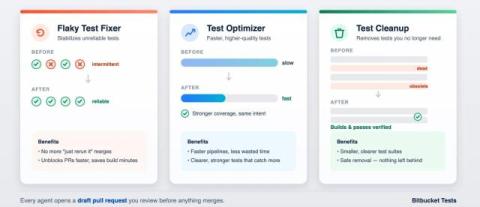
Optimize your test suite with two new agents

Flaky tests stall pull requests. Slow tests drag out builds. Outdated tests add maintenance work that’s easy to put off. To help optimize your test suite, we’re adding two new agents in Bitbucket, Test Optimizer and Test Cleanup and an improved Flaky Test Fixer. With these agents, your team will spend less time babysitting tests and more time shipping.

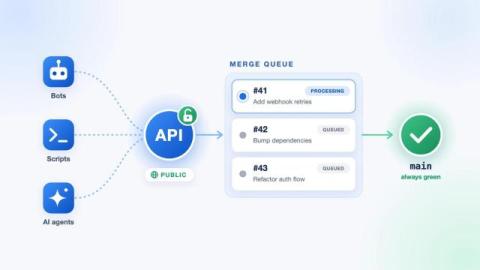
Merge queue APIs now available in Bitbucket Cloud

Merge Queues help keep your busy branches stable by testing how changes work together before they’re merged. Today, we’re introducing public APIs for Merge Queues, available to all Standard and Premium workspaces in Bitbucket Cloud. The new APIs let your tools use the existing merge endpoint to queue pull requests, track their progress and respond to the outcome.