The latest News and Information on Cloud monitoring, security and related technologies.
Many years ago, I attained my private pilot’s license. This entailed completing a very structured program, similar to how most companies introduce a product to a new user. Let’s be honest, there is a really good reason for this – to avoid the crash and burn. With flight training, it’s literal, while with products it’s a bit more figurative (except when you YOLO something into production–that can cause a crash and burn–and leave for a bad first impression).
Digital transformation, no matter what form it takes within your organization, is a high-stakes initiative to deliver strategic impact to the business. The cloud is a pivotal enabler to that effort. But there’s a flip side—challenges related to migrating and managing workloads in the cloud can have a negative impact on the success of your transformation efforts.
Even after the public cloud hype, private clouds remain to be a very essential part of many enterprises’ cloud strategy. Private clouds are simply giving CIOs more control over their budgets, enabling better security and allowing the flexibility to build best of breed IT solutions. So let’s stop here and take a step backwards, why are organisations even investing in their IT?
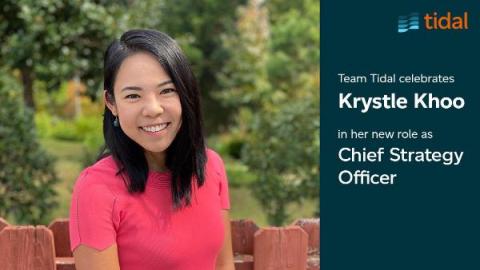
Google “CSO role description” and you will get 9 million results, none of which will sufficiently describe why it has been both challenging and enormously fulfilling for me at Tidal Migrations. Quite simply, a CSO role is uniquely tailored to the company it belongs to. So while Deloitte has this article about the six faces of a CSO, I wanted to share how my role came about and what it means to be a CSO at Tidal.