The latest News and Information on Cloud monitoring, security and related technologies.
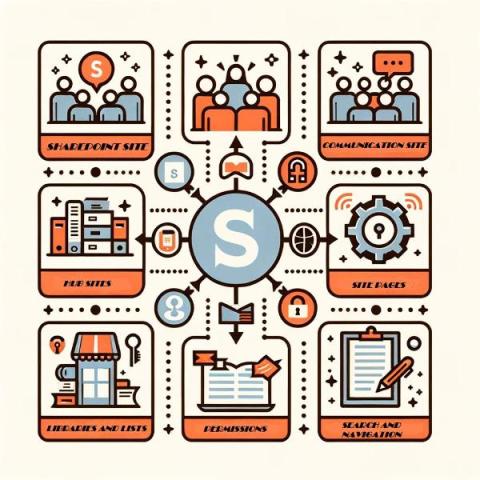
SharePoint Online (SPO) has become a linchpin in fostering collaborative work environments in the modern digital age. Its robust features provide a platform where individuals can share, manage, and collaborate on content seamlessly. As SharePoint Online continues to evolve, understanding its limits and boundaries is crucial for administrators to ensure optimal performance and user satisfaction.
Maybe you’re still using monolithic applications, built and refined over many years. You understand that shifting to microservices or containerized architectures is a huge and daunting task. You’re probably grappling with the limitations of legacy systems—maybe they’re slow, tough to update, or can’t scale as you’d like. And you’re likely using more traditional IT monitoring tools or even some cloud observability tools.
Access-related challenges form a significant portion of the common issues encountered within SharePoint environments. These challenges can manifest in numerous forms, including denied access to resources, unresponsive buttons, or dysfunctional links. Unveiling the root causes and solutions to these access challenges is crucial for maintaining a seamless SharePoint user experience.
The transition from traditional on-premises IT infrastructure to the public cloud has brought substantial relief to IT decision-makers and sysadmins. Since many organizations use Microsoft Windows as their preferred operating system, Microsoft Azure has become the public cloud provider of choice automatically owing to a familiar GUI and Active Directory sync.
In today’s digital age, the need for efficient document storage and collaboration tools is more pressing than ever. Microsoft, being a leader in the enterprise solutions sector, offers two standout products in this category: SharePoint and OneDrive. While both tools hail from the same Microsoft family and integrate seamlessly with other Microsoft 365 apps, they serve distinct purposes. Let’s delve deeper into the nuances of each and understand their primary differences.