Operations | Monitoring | ITSM | DevOps | Cloud

The latest News and Information on Cost Management and related technologies.

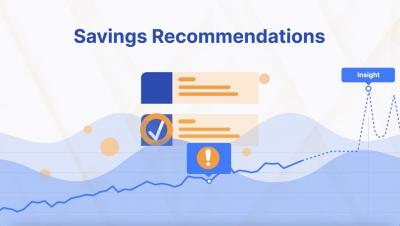
19 Questions To Ask Your Cloud Cost Management Vendor

Not all cloud cost management tools are equal. Whether you’re in the process of evaluating cloud cost management vendors or already have a tool in place, here are 19 questions you should ask to ensure you have all the capabilities needed to maximize performance and minimize cost of your hybrid cloud deployment across the following.

The 10 Best AWS Migration Tools (Updated 2022)

Moving large amounts of data to the cloud can be arduous and time-consuming. A cloud migration would take years if engineers manually moved data from assessment through mobilization and migration phases. An effective cloud migration also requires adequate data encryption, fast data transfer speeds, and constant monitoring. Migrating workloads to AWS requires you to monitor costs in real-time as well to avoid overspending.

Efficient Container Monitoring with Pepperdata

Container monitoring strategies and purpose-built container monitoring tools just may be the next hot topics swirling around the Kubernetes discussion forums this year. Over 77% of IT professionals expected to migrate 50% or more of their workloads to containers with Kubernetes by the end of last year. With the rise of container usage growing, having the ability to monitor the performance of your containerized workloads is critical.

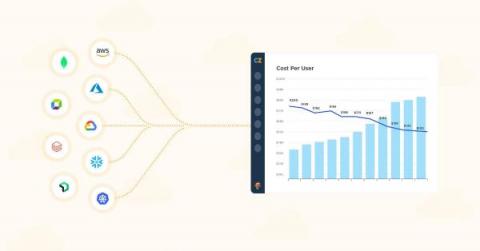
Why COGS Isn't The Most Relevant Cost Metric For SaaS Companies

For most SaaS companies, COGS (which stands for cost of goods sold) is used to calculate gross margin and profit. COGS is an accepted term with a specific definition under U.S. Generally Accepted Accounting Principles (GAAP) — and is widely used as part of calculations to gauge the health and valuation of a company. Like many accounting practices, COGS stems from the industrial era, when most businesses were concerned with the creation of physical goods.

Big Data Cloud Performance Management: How to Do it Right

Big data cloud performance management is key to success in the cloud. Paired with cloud computing, big data can transform an enterprise—especially when managed correctly. It requires no CapEx, enables quicker data processing and analysis, and allows for rapid scalability. But not having a plan to properly manage your big data performance in the cloud can be the difference between realizing the ROI the cloud promises and having to move back to the data center in defeat.

9 Cloud FinOps Challenges - And The Solutions To Overcome Them

Companies migrate to the cloud to become more productive, respond to market changes, and be flexible — while spending less on cloud infrastructure. But there is one thing that many cloud-based organizations have learned: Cloud costs add up. Fast. As a result, 71% of cloud financial management teams doubt they will achieve expected results at the expected time or at all. Only 29% of cloud FinOps teams expect to achieve their cloud goals.

Control Plane Demo

Control Plane is a perfect substrate to run microservices. When you deploy on Control Plane, your containerized apps run concurrently on AWS, Azure and GCP. Customers experience ultra-low latency, 99.999% availability and you can mix-n-match ALL the services of AWS, Azure and GCP as if those clouds have virtually merged. All your "Ops" portion of "DevOps" has been codified so developers are freed to focus on the Dev part and leave the Ops part to the platform.

Why Serverless? The Next Wave Of Cloud Cost Optimization

Traditionally, applications are developed and deployed on local servers managed by developers. This keeps the whole process under the control of one development team that is responsible for keeping the system running smoothly. With serverless computing, however, the server management and code execution within applications takes place remotely, under the control of the cloud service provider rather than an in-house development team.

Pepperdata CEO Ash Munshi on the Future of Big Data APM in 2022

Recent data shows that the global APM (application performance management) market is booming. Currently valued at $6.3 billion, the global APM industry is expected to reach $12 billion by 2026. This growth indicates the increasing importance of monitoring, diagnosing, and improving application performance. Visibility and automation is key to sustaining the growth and evolution of APM.