Operations | Monitoring | ITSM | DevOps | Cloud

Monitoring AWS Fargate with Prometheus and Sysdig

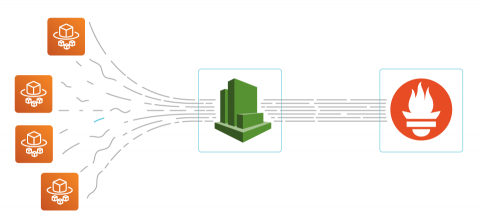
In this article, we will show how it’s easily possible to monitor AWS Fargate with Sysdig Monitor. By leveraging existing Prometheus ingestion in Sysdig, you will be able to monitor serverless services with a single-pane-of-glass approach, giving you confidence in running these services in production.

Detect reverse shell with Falco and Sysdig Secure

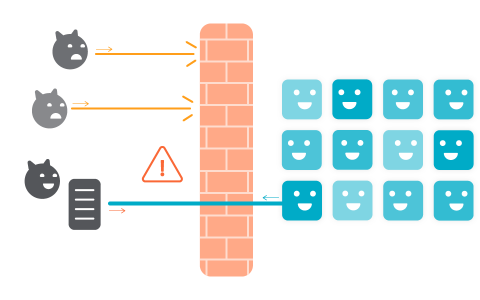
Reverse shell is a way that attackers gain access to a victim’s system. In this article, you’ll learn how this attack works and how you can detect it using Falco, a CNCF project, as well as Sysdig Secure. Sometimes, an application vulnerability can be exploited in a way that allows an attacker to establish a reverse shell connection, which grants them interactive access to the system.

Expanding the IBM & Sysdig Relationship to Manage Cloud Security Risk

Today, we are pleased to announce the expansion of Sysdig’s relationship with IBM to extend cloud security governance with IBM Cloud Pak for Multicloud Management. Through a new OEM agreement, Sysdig Secure and the Sysdig Secure DevOps Platform are now available through IBM and IBM Business Partners. The combined IBM and Sysdig offering delivers centralized cloud visibility, governance and automation with in-depth container security intelligence for Red Hat OpenShift.

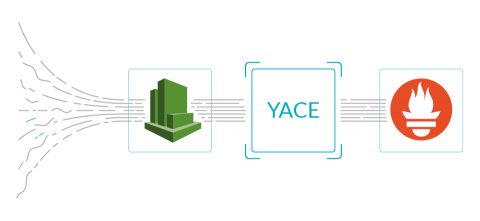
Improving the Prometheus exporter for Amazon CloudWatch

A Prometheus CloudWatch exporter is a key element for anyone wanting to monitor AWS CloudWatch. Exporting CloudWatch metrics to a Prometheus server allows leveraging of the power of PromQL queries, integrating AWS metrics with those from other applications or cloud providers, and creating advanced dashboards for digging down into problems. But, who watches the watcher? Despite those advantages, using the wrong exporter or an incorrect configuration can have bad consequences in production environments.

Sysdig's Prometheus monitoring behind the scenes

A few weeks ago, we announced that Sysdig is offering fully compatible Prometheus monitoring at scale for our customers, as well as a new website called PromCat.io hosting a curated repository of Prometheus exporters, dashboards and alerts. This got me thinking about how we were actually able to implement the changes necessary to offer this in our platform.