Operations | Monitoring | ITSM | DevOps | Cloud

Monitoring Challenges Emerge as Agencies Embrace Container Technology

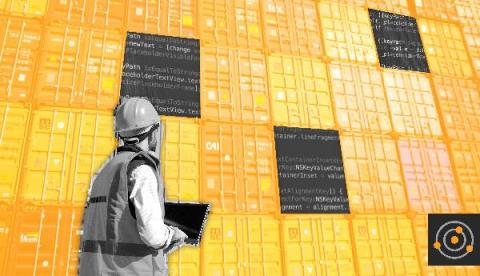
Container technology is catching on big-time in the federal government as agencies such as the USDA and the National Institutes of Health look to containers to simplify software development and reduce costs. Containers offer enormous advantages over traditional “waterfall” application development processes. A containerized approach makes it easier for developers to create and deploy software faster and with fewer errors.

Reinvigorate the Service Desk With User-Focused Strategies in 2021

When we look back on this rollercoaster of a year that was 2020, we’ve all faced some of the most unforgettable, challenging, and transformative experiences of our lives—and many of them are going to shape how we plan for the future. For businesses that had to discover new ways to keep operating, they’re revisiting derailed 2020 plans for the new year with detailed strategies to handle the unexpected.

Observability vs. Monitoring - What's the Difference?

Some of the earliest memories of my career involve getting spammed by hundreds of emails from monitoring systems. After managing to find an issue, I’d scroll through endless logs trying to find obscure bugs that are impossible to recreate. I’m sure you’ve been there. I’ve spent many hours, days, and even weeks pressing “Page Down” on my keyboard trying to find a clue pointing me toward the root cause. I’m here to tell you: there’s a better way.

Initial Considerations for an ITSM Evaluation

The start of a new year brings the familiar sentiments of “New Year, New Me!” or in 2021’s case, “New Year, New Perspective.” Ushering in a new year provides an outlet for personal reflection but it’s also a time for organizations to review and establish their business objectives. As the new year kicks off, perhaps one of your organizational goals is to invest in a new IT Service Management (ITSM) solution.

Cloud and On-Premises Database Monitoring Best Practices

SolarWinds product experts present a visual overview of cloud and on-premises database monitoring best practices using SolarWinds Database Performance Analyzer (DPA) and Database Performance Monitor (DPM). They will cover high-level monitoring in DPA by looking at correlation tabs, such as resources, virtualization, and blocking, and will demonstrate how to create example alerts that can look at this data.

How to Build Modern Dashboards in the Orion Platform

The Orion Platform has a new modern dashboarding framework. This data-driven dashboard framework provides greater level of flexibility over how data is displayed. It includes a grid-based layout, new widgets types, and drag-and-drop placement with full vertical and horizontal widget scaling. SolarWinds Senior Technical Trainer Cheryl Nomanson takes you through a detailed setup and configuration including how to add multiple Key Performance Indicators (KPIs).

Taking an API-First Approach to Network Management

Application programming interfaces (APIs) allow applications to communicate, interoperate, and share information with one another. APIs have been mainstays at companies like Google, Salesforce, and other smaller but innovative organizations for decades. Now, they’re also common in the public sector, with a wide range of agencies actively using hundreds of APIs.

Hybrid IT Environments - Another Twist in the Complex World of Modern Applications

Running your IT infrastructure from the cloud can be a smart choice for modern businesses. Cloud computing allows you to build a scalable, flexible architecture at an affordable price. But few businesses are 100% on the cloud. Businesses may have legacy systems or specific resources that work better on-premises, or they may have made a significant investment in on-premises hardware.

Hybrid IT Environments - Another Twist in the Complex World of Modern Applications

Running your IT infrastructure from the cloud can be a smart choice for modern businesses. Cloud computing allows you to build a scalable, flexible architecture at an affordable price. But few businesses are 100% on the cloud. Businesses may have legacy systems or specific resources that work better on-premises, or they may have made a significant investment in on-premises hardware.