Operations | Monitoring | ITSM | DevOps | Cloud

Tech Leaders' Panel - Prioritizing Customer Experience in Today's Digital World (Livestream)

In today’s digital world, leading companies are having to redefine what it means to deliver a flawless experience for their customers. In this exclusive panel discussion, learn how software teams at Vend, Xero, Tend Health and Lancom put the customer experience at the centre of their development workflow, closing the feedback loop between code and customer.
Sponsored Post

Announcing Ruby support for Raygun APM

We've built Raygun APM to be the best solution on the market today, with more code-level detail, better visualization, and powerful infrastructure that helps developers discover and diagnose performance bottlenecks in a fraction of the time - and for a fraction of the cost. That's why we are thrilled to launch the next chapter in our ongoing support for Application Performance Monitoring: Ruby support for Raygun APM. Ruby teams can now get end-to-end monitoring with features like detailed trace transactions, dashboards, code execution, and more.


Debug JavaScript in Firefox in 7 easy steps

This article will focus on debugging JavaScript code within Firefox’s Developer Tools. The Dev Tools within Firefox are extremely powerful which will speed up finding and fixing bugs. We’ll be using Raygun Crash Reporting to find the stack trace and the line of code the error occurred on. You can sign up for a free 14-day trial here. So, let’s dive in!
Sponsored Post

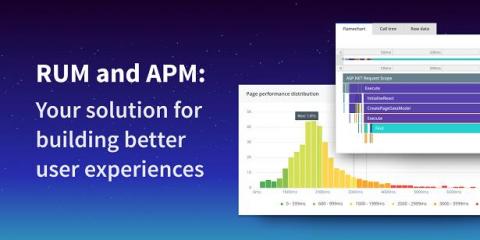
RUM and APM: Your solution for building better user experiences

As modern development practices evolve at rapid rates we must stay focused on what makes for a great experience; fast, flawless software. In the pursuit of building fast, performant software, you've likely come across performance monitoring products like Real User Monitoring (RUM) and Application Performance Monitoring (APM). In this article, we go deeper into how using RUM and APM can help you and your team build better software experiences.

Gain actionable insights with XHR-level detail for response codes

A broken or poor performing XHR can significantly impact a user’s experience with a page by slowing down the load time or causing it to break entirely. Many of our customers monitoring web applications agree that monitoring and optimizing XHR calls is the biggest lever they have to improve application performance. In April of this year, we announced that Raygun Real User Monitoring can now surface analytics into the response codes from XHR calls.

How to configure and track deployments, identify issues, and measure performance optimizations

Learn how with the right tools and workflow in place, you can deploy code at speed, while ensuring your customers are having a lightning-fast experience. Go beyond error monitoring and see first-hand how the experts from Octopus and Raygun seamlessly configure deployments, identify and resolve issues, and measure performance optimizations in real-time.

Celebrating issue 50 of Performance Matters

When we first launched Performance Matters a year ago, we didn’t just want to surface the performance stories of the big tech companies; our goal was to share and highlight the hard work of thousands of people making software faster. Since then, we’ve delivered over 550 articles, community ideas, tweets, videos, and the occasional comic strip from every corner of the web to your inbox. Here are the 10 most popular articles from all 50 issues of our weekly performance newsletter. Enjoy!
Sponsored Post

APM isn't just for Ops: Shifting Left and supercharging your developers

When we were rethinking what an Application Performance Monitoring product could be, we did what we always did. We thought of developers, and the ultimate users that they serve. It's no surprise then that two years back, we built an all-new take on APM from scratch. One that armed developers with the level of insights that they need to deliver great software. Fortunately, we seemed to be onto something here. The relics of the past are now starting to talk about "shifting left," meaning "moving to the left on the SDLC," meaning "empower the developers to get in earlier in the delivery to ensure a great outcome."