Operations | Monitoring | ITSM | DevOps | Cloud

The Top 5 Open-Source NIDS Solutions

In a hyper-connected world, the threat landscape is undoubtedly evolving. Ensuring the security of your enterprise networks on a daily basis is essential to protect your business, no matter how big (or small) it is. According to SophosLabs’ 2019 threat report, one dangerous ransomware called SamSam cost companies $6.5 million ($10K to $50K per ransom).

To Protect and Secure: Selling Cybersecurity as a Service

Auvik AVP of product management Patrick Albert talks with Tayler Feigl, Channel Development Manager, APAC at Datto to discuss key findings in Datto’s annual State of the Channel Ransomware Report, the result of interviewing 100,000 small to mid-sized business (SMBs) around the globe. You’ll hear what your MSP peers are doing to prepare, protect, and recover against ransomware, and investigate how you can use these findings to sell cybersecurity as part of your managed services offering.

Feature Spotlight: Malware / Virus Checks

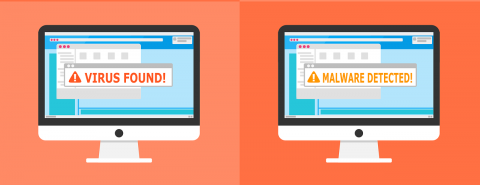
Malware / Virus checks from Uptime.com checks your site against two major malware databases. Malware is any type of unwanted or malicious code. Malware includes viruses, which are malware designed to replicate and spread, as well as spyware, adware, trojans and more. A Malware / Virus check uses the Google Safe Browsing List and the Yandex Safe Browsing List to determine if your site has malware.

Ransomware attacks continue to rise in 2018

It’s official. Ransomware isn’t just one of the most common types of malware, it is the most prevalent malware used in cyberattacks according to the 2018 Verizon Data Breach Investigations Report (DBIR). This report found that of the data breaches involving malware in 2017, 39 percent made use of ransomware, which was twice the amount used the previous year.

Not All Hacks Are the Same, Plan Your Network Defenses Accordingly

The news is filled with stories about horrible attacks against corporate and government networks. It’s almost enough to make administrators for small and mid-sized networks give up. But it’s important to note not all of these attacks are the same. There’s a vast difference, for example, between the incredibly sophisticated long-term attacks against high-profile companies and government agencies, and the mere smash-and-grab attacks.

Ransomware attackers and victims fall victim to ransom theft

Recently, there has been a string of attacks affecting some ransomware victims who pay their ransom in an attempt to regain access to their encrypted data. These ransom payments are being intercepted by a third party, ironcally turning the ransomware attackers into the second victim. As a result, the original ransomware victims are victimized a second time, as they won’t get their data back since the ransomware attackers never receive the ransom money.