5 key strategies for protecting legal privilege during security incidents
When a cyber incident hits, there are certain questions that are asked right away almost every time...


When a cyber incident hits, there are certain questions that are asked right away almost every time...
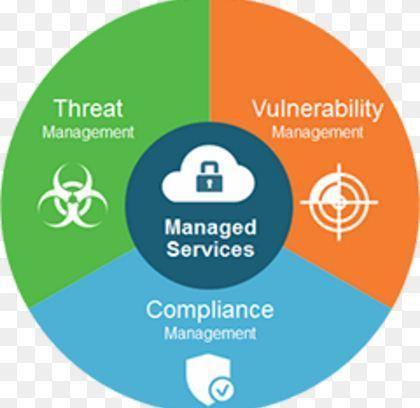
The managed security services market is booming. Coming in at $22.8 billion in 2021, it is projected to nearly double in just five years and grow to $43.7 billion by 2026. Moreover, cloud-based managed security services are poised to be the major growth driver for the broader MSP market, coming in at $219.59 billion in 2021, and expected to reach $557.10 billion by 2028. As we can see, providing robust security services is a key competitive differentiator for the lucrative MSP market.
When considering the fact that 2020 was a record breaker in the number of cyberattacks that occurred and the resulting cost to organizations that was incurred, it is clear that the state of cybersecurity readiness is not very encouraging, to say the least.
Much of the fuel for today’s business organizations is comprised of cloud computing and digital and SaaS applications. So, if something goes wrong with them, there will be a grave impact on productivity, customer satisfaction and even loyalty, as well as on the costs required for resolving the incident, remediating damage, and getting back to business.
Organizations today are more vulnerable than ever to cyberattacks and data breaches. Whether the attack is executed by an external actor or an insider, the unauthorized intrusion comes at a great cost. This cost may differ, depending on several factors. These include the cause of the breach, the actions taken to remediate the incident, whether there is a history of data infringements, what data was compromised, and how the organization aligned with the authorities and regulators.
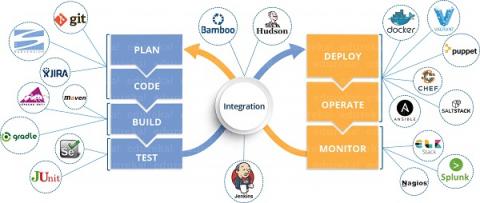
Keeping up with customer demand and staying ahead of the competition requires fast releases and efficient code. This is where DevOps comes into play. Where DevOps is the practice, mindset, and culture of combining software development (i.e. Dev) and IT operations (i.e. Ops) to accelerate the development lifecycle and provide continuous delivery without compromising quality.
It’s been noted that there are two types of organizations – those that have suffered a data breach, and those that will fall victim to a data breach sooner than later (most likely sooner). The hard truth of this statement is reflected in the fact that according to some sources 97% of networks will experience a security compromise over any given six-month period. And with a staggering 9.7 billion data records having been breached since 2013, these numbers are only rising.
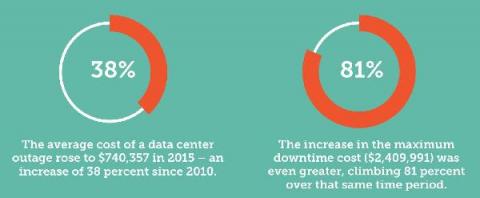
If you strip the buzzwords and TLAs from the definition of DevOps? You’ll find that the roles and tasks involved aim mostly for more uptime and less downtime in the SDLC (software development lifecycle). The first step to achieving that is becoming aware of downtime as it happens with the help of monitoring solutions. Only then can you respond and resolve the issue in a timely manner that minimizes the dreaded and expensive downtime of software development teams.
IT incident management is a fundamental operational process designed to ensure rapid service restoration. This process is typically assigned to the help desk but is also very much entrenched in the day-to-day of DevOps. When incident management goes right, service is restored quickly and the impact on productivity, continuity, and customer satisfaction is minimal.
Moving full speed ahead into 2021, a year that is slated to be marked by unpredictability, fast-paced change, and (still) a lot of disruption – no organization can afford to allow such disorder to impact productivity, operations, and the business overall.