Operations | Monitoring | ITSM | DevOps | Cloud

Data Security and Privacy at Home

With one of the largest threats to a company’s security and privacy being its own employees, having employees work remotely only adds to the risk. While this year’s Verizon Data Breach Investigations Report chalks it up to internal errors rather than intentional malice, the threat remains. Many corporations have sent employees to work from the confines of their homes, creating a greater need for protection against data and security breaches.

SysAdmin Day 2020: Business as Usual During the "New Different"

I’m not going to even try to pretend SysAdmin Day arrives this year under conditions anyone would call “business as usual.” I’m going to avoid the cliched and empty platitudes of “the new normal,” “unprecedented times,” and “focusing on what matters.” I’m also going to avoid needlessly reminding you how much your company, coworkers, family, and friends rely on you because of your technical knowledge and expertise.

How Digital Transformation Has Evolved Through COVID-19

There’s no debating the value of digital transformation when it comes to optimal business performance, but for many IT leaders, some digital initiatives are pushed to the backburner due to other priorities. Over the last few months, COVID-19 has forced a number of those initiatives to the top of the list. From businesses transitioning to remote work, to schools closing, to travel plans being canceled, no one was fully prepared for what the world would face this year.

Why Monitoring Can Be the Lifesaver the Public Sector Needs

One of the business consequences from the pandemic—increased remote working—is causing technology challenges across most industries, including the public sector. Most employees who are now working from home have probably never had to do so before, while those still attending their place of work are mostly people in central government trying to keep the country running, or other critical roles.

3 Foundational Elements of Zero Trust You Can't Do Without

While the concept of zero-trust security has many IT organizations thinking in terms of identity, access, and cloud services, zero trust must run on a solid foundation. We should start by talking about the goals of zero-trust security. Zero trust involves creating an environment where each access request is first scrutinized to determine whether it should be allowed.

Using Non-Enterprise Gear in an Enterprise World

Different IT organizations have different needs. The one-man shop might find the best success with open-source software, while enterprises often need something a little more. But occasionally you’ll see an enterprise using open-source or something designed for a small to medium-sized business. This can be a good thing in certain instances, though it’s not without risks. So, why might you want to use SMB or open-source gear in an enterprise setting, and when might it be a good thing?

New support for HTTP connections

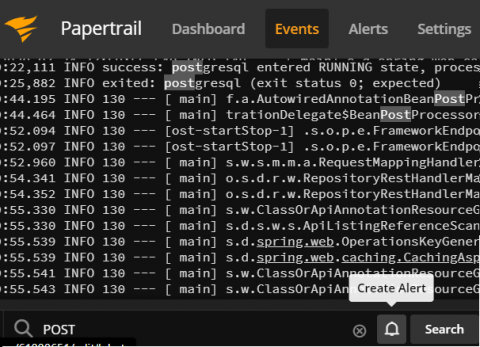
As all Papertrail fans know, sending logs to Papertrail using syslog is quick and easy. Generating and transmitting syslog packets usually involves just 2 – 4 lines of code, and you can see your logs flowing into Papertrail in minutes. There are times, however, when you just can’t use syslog or install a remote_syslog2 daemon. This is where the new support for sending logs via HTTP comes in. And the best news is, it’s just as quick and easy to set up.

Is Your Service Desk Too Complicated to Use?

It’s an exchange that happens almost every day in every business office: Employee peeks over the divider and asks her coworker, “Hey, how do I connect this to Bluetooth?” Maybe it’s a frozen laptop, or a glitch in the browser, or an issue connecting to VPN. And maybe it’s a drive-by at the coffee machine or Slack message to a “tech-savvy” coworker.

Monitor Azure Functions With the Simplicity of AppOptics

Managing servers isn’t always the most effective way to run an application. With serverless computing, teams can deploy applications directly to managed hardware, scale them on demand, and avoid the overhead of provisioning and maintaining their own infrastructure. As many as 40% of companies surveyed by DevOps.com use serverless computing. And serverless platforms like Azure Functions make deploying serverless questions quick and easy.