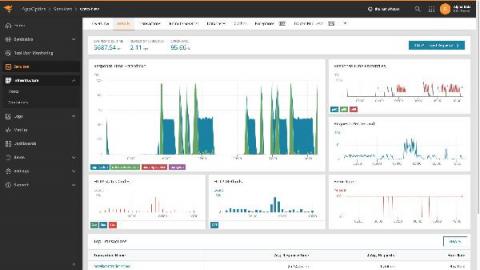
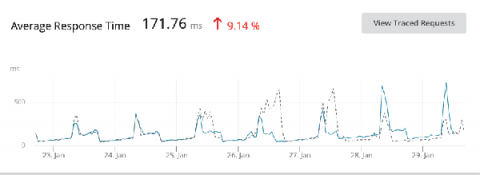
Many teams take advantage of the convenience of deploying their apps to the platform as a service (PaaS) providers such as DigitalOcean. Cloud solutions like this are an easy way for teams to deploy and scale their applications without worrying about the details. However, even in these managed environments, poorly written apps can cause issues. If your pages load too slowly, users will likely leave your site and look for another.
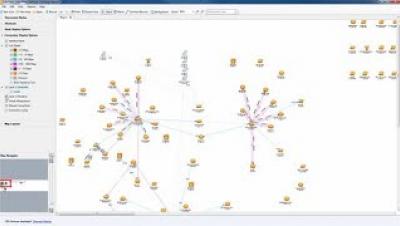
This video highlights four network monitoring basic tools for small business customers. ipMonitor® – A centralized monitoring tool Kiwi CatTools® – Network configuration Engineer's Toolset™ Network Topology Mapper.
Web application availability is crucial for your organization. Whether your applications are accessed inside or outside the firewall, your business depends on them being up, available, and performing optimally. Watch this short video and learn how WPM allows you to constantly monitor availability and response time from one location or locations around the globe. Find problems before your users do. WPM is the easiest to use, most affordable application in this space.
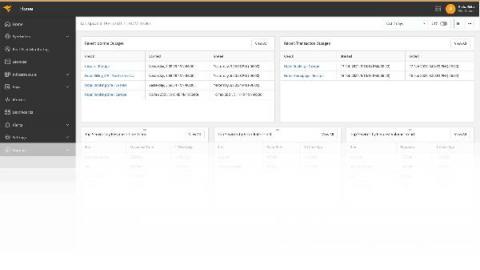
We’ve been listening to our customers. Whether you’re a SolarWinds® Loggly®, SolarWinds AppOptics™, or SolarWinds Pingdom® user, we’ve been working hard to make your life easier. We’re happy to announce a brand-new experience designed to bring together real user monitoring, synthetic transactions, metrics, traces, and logs in a single platform, making it faster and easier to identify, triage, and troubleshoot application issues.
When something goes wrong with a user’s device, who do they turn to for help? Maybe an employee walks up to their favorite IT team member’s desk or sends them a Slack message. They may even try to find a DIY solution by browsing the web. Though these methods may ultimately give the user the result they’re looking for, they aren’t necessarily the most effective way to handle technology issues.
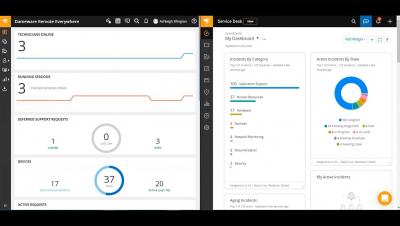
Remote monitoring and management (RMM) and mobile device management (MDM) have several key differences—but IT businesses can benefit the most from choosing software that combines both capabilities.
In the ultracompetitive times in which we live, organizations must leverage every asset at their disposal if they’re to survive and thrive. Log data is undoubtedly valuable, so having a proper log management strategy in place is vital for any tech team . Unfortunately, implementing a great log management strategy isn’t as easy as it sounds. It involves many factors, including the selection of an adequate tool.