The latest News and Information on Containers, Kubernetes, Docker and related technologies.
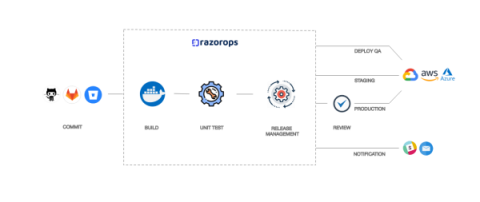
Continuous Integration(CI) is a software development practice where developers frequently merge the code and the changes in a central repository. The important goals of continuous integration is to find and resolve the bugs more quicker, improve the software quality, and reduce the time taken to validate and release new software updates. Continuous Delivery(CD), which is done on the top of Continuous Integration and includes the practice of automating the entire software release process and builds.
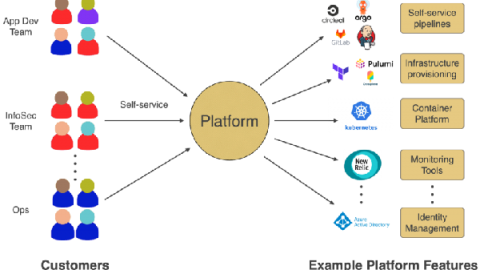
Organizations rely more than ever on their engineering teams to get in front of their customers. Quickly delivering the latest functionalities to end-users in a reliable way can make or break a company these days. This need raises the pressure on engineering to deliver a scalable platform, rollout application updates faster, and manage applications efficiently once in production.
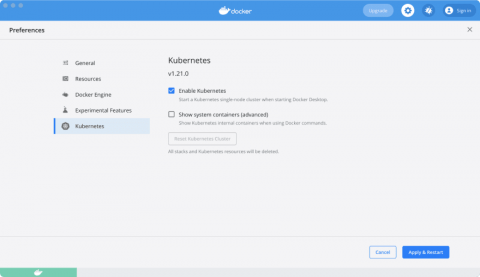
Kubernetes provides a set of primitives to run resilient, distributed applications. It takes care of scaling and automatic failover for your application and it provides deployment patterns and APIs that allow you to automate resource management and provision new workloads.
In February we had our first online meetup of the year, 'Connecting and securing your microservices by using EnRoute.' Check it out on our YouTube channel if you missed it. Meanwhile, for Civo Shorts, David Flanagan of Pulumi explains why Civo is his service provider of choice for testing environments. Plus guides and tutorials on all things Cloud Native and Civo. Read on.
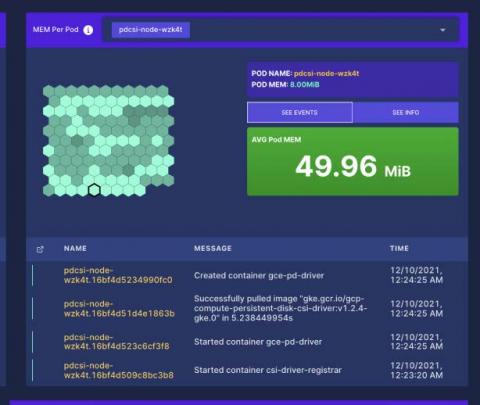
ContainIQ runs all infrastructure on Google Cloud (GKE), and was able to get Speedscale installed within a few minutes. After installing the Speedscale operator, ContainIQ began capturing traffic from the primary gateway where service calls come into a cluster.