

Operations | Monitoring | ITSM | DevOps | Cloud

The latest News and Information on Cloud monitoring, security and related technologies.

The Risks of Not Migrating to a Cloud-Based Unified Communications Solution

On-premises communication systems often require managing separate platforms for phone, email, video conferencing, and instant messaging. This fragmentation creates operational inefficiencies that slow down workflows. Employees waste time switching between tools, leading to delays in communication and collaboration. The risk of staying with outdated systems is that your team will continue to operate with these silos, ultimately reducing productivity and making it harder to compete in fast-paced markets.


Kubernetes Autoscaling vs. Optimization: Understanding the Difference

In cloud-native environments, autoscaling and optimization are often confused, yet they serve different purposes. While Kubernetes offers several built-in autoscaling features, these are often mistaken for optimization. In reality, autoscaling is reactive, responding to changing demands, whereas optimization is proactive, focused on configuring workloads efficiently from the start.

How to Lower Your Cloud Costs

Cloud costs can pile up quickly, and often behind the scenes. We explain how you can help your business keep cloud spend under control. Enterprises—including small- to medium-sized—often find themselves struggling to manage costs and predict their cloud storage. And it’s not necessarily because we’re acquiring more things – it’s because the things we have are getting bigger.

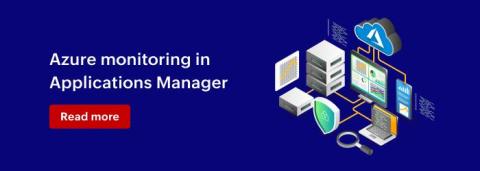
Azure monitoring in Applications Manager

Azure monitoring involves tracking and analyzing the health and performance of your cloud infrastructure hosted on Microsoft Azure. It involves gaining real-time insights into the performance of Azure resources, such as virtual machines, databases, and applications, enabling you to identify and resolve issues before they impact your operations. With a plethora of options available in the market, choosing the right Azure monitoring software can be a daunting task.

Driving sustainability and excellence: a FinOps story at Upsun

FinOps Professional Sumaira Nazir defines herself by her commitment to growth. With a master's degree in psychology and a background in both business analysis and project management, Sumaira’s passion for self-improvement means she’s always in pursuit of her next professional milestone. In fact, this love of learning is part of what drew her to Upsun.

Cloud Migration: Unlock the Full Power of Your Unified Endpoint Management Solution

To understand the challenges facing modern IT teams in managing a diverse range of endpoints, one word that keeps coming up? Proliferation. Organizations are faced with a rapidly expanding ecosystem of network devices, tools and assets–some of which are so hidden from view that IT doesn’t even realize they exist.

Private Cloud Providers: 10 Best Options And Key Features to Consider

While not every organization will opt for a private cloud, those who do must navigate a challenging market with numerous options. But what exactly are private cloud providers? How do they differ from other options, like public or hybrid cloud models? Understanding these distinctions is essential for selecting a provider that meets your organization's specific needs and strategic goals. Let's explore how the private cloud works, the features it provides, and what to look for when choosing a provider.

Autoscaling in Cloud Computing

Autoscaling in cloud computing is the ability of a system to adjust its resources in response to changes in demand automatically. This guarantees that applications always have the resources they need to perform optimally, even during periods of high traffic. Autoscaling eliminates manual intervention, allowing your dev team time to focus on your product. All major cloud providers like AWS, Azure, and Google Cloud Platform offer robust autoscaling solutions with many features and capabilities.

25 Azure Monitoring Tools To Consider For Cloud Optimization

Microsoft Azure is the most popular cloud computing platform after Amazon Web Services (AWS). With over 200 services and resources available, there are plenty of ways to use Azure. This means the Azure public cloud allows hundreds, if not thousands, of unique configurations. This flexibility is ideal for tailoring Azure to your workload’s requirements but also makes cloud management more challenging.