SUSE to Acquire Rancher Labs
In this video Adrian Goins shares more information about the SUSE acquisition of Rancher Labs and why this is an amazing move for both companies.


The latest News and Information on Containers, Kubernetes, Docker and related technologies.
This post is the second in our Kubernetes observability tutorial series, where we explore how you can monitor all aspects of your applications running in Kubernetes, including: We’ll cover using Elastic Observability to ingest and analyze container metrics in Kibana using the Metrics app and out-of-the-box dashboards.
The Splunk Security Research Team has been working on Kubernetes security analytic stories mainly focused on AWS and GCP cloud platforms. The turn has come now for some Azure Kubernetes security monitoring analytic stories. As outlined in my "Approaching Kubernetes Security — Detecting Kubernetes Scan with Splunk" blog post, when looking at Kubernetes security, there are certain items within a cluster that must be monitored.
As a fast-moving startup, you don’t have the luxury of spending days figuring out exactly what you need in a Kubernetes cluster. We’ve been there. To help out, we wrote a whole ebook on the blueprint we followed as we built and deployed our own web app in Kubernetes.
This blog series is part of the joint collaboration between Canonical and Manceps. Visit our AI consulting and delivery services page to know more. Kubeflow Pipelines are a great way to build portable, scalable machine learning workflows. It is a part of the Kubeflow project that aims to reduce the complexity and time involved with training and deploying machine learning models at scale. For more on Kubeflow, read our Kubernetes for data science: meet Kubeflow post.
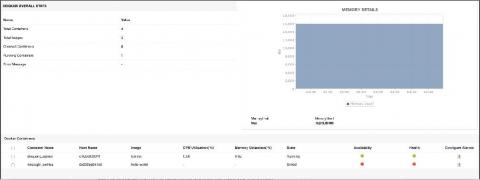
Docker is a platform that enables developers to run software in packaged environments called containers. These containers are operating system (OS)-level virtualized elements that share a common Linux server yet have their software, libraries, and configuration files bundled within them. These containers can communicate with each other and exchange information, making it easier to develop and host multiple applications through the CI/CD DevOps methodology.
You’ve put in the time applying for tech jobs and have made it to the daunting interview. You know they are going to ask you about Kubernetes, so make sure you are prepared. If you are completely new to Kubernetes we recommend you first read our Kubernetes pronunciation post, so you don’t really embarrass yourself, and then check out the Kubernetes glossary we created to help give you a decent Kubernetes foundation.