Operations | Monitoring | ITSM | DevOps | Cloud

The latest News and Information on Continuous Integration and Development, and related technologies.

How we automated feature-flag cleanup with Agentic Pipelines

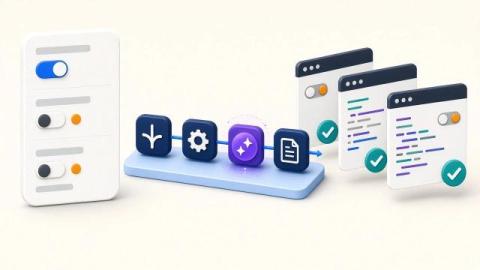
The hard part of a feature flag is rarely adding it. It is remembering to remove it months later, when the rollout is over, the original context has faded, and there is always a more urgent piece of work waiting. Since April 2026, one Atlassian team has used Agentic Pipelines to clean up their monthly backlog of stale feature flags. The workflow prepares the change and opens a pull request, while engineers still review and merge the pull request.

Run Your GitHub Actions Workflows on CircleCI (Open Preview)

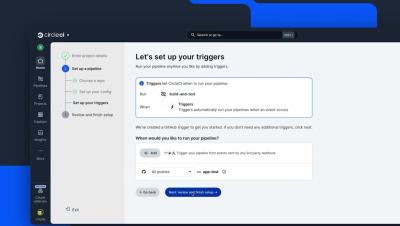
CircleCI can now run supported GitHub Actions workflows directly on CircleCI infrastructure, using the YAML you already have. In this quick demo, we’ll walk through setting up a CircleCI project with an existing GitHub Actions workflow and running your first build. You’ll see how to: GitHub Actions compatibility is currently available in open preview on Linux. Not all GitHub Actions features are supported yet, so check the documentation for current compatibility.

Fastest and Most Cost-Effective CI/CD Platforms

A slow build is frustrating. A surprise bill makes it worse. I compared seven options to help you balance feedback speed, running costs, and upkeep. The right choice depends on your workload, not just the lowest advertised rate. Sequential/Parallel: Running independent tests together can reduce waiting without reducing total work.

What is a software factory?

A software factory is a system for turning engineering intent into production software through repeatable, increasingly automated workflows. It connects the tools, infrastructure, people, agents, validation, and delivery controls required to move work from an idea or issue into production. Coding agents have made the model newly relevant. Teams can now produce software changes much faster than traditional development processes were designed to evaluate and coordinate.

How to build a Language Server Protocol (LSP) plugin for Claude Code

Language servers give editors structured, real-time feedback: diagnostics, hover docs, autocomplete, and other guidance that would otherwise surface later. Language servers already exist for many of the languages and tools developers use every day, but Claude Code doesn’t automatically receive their feedback.

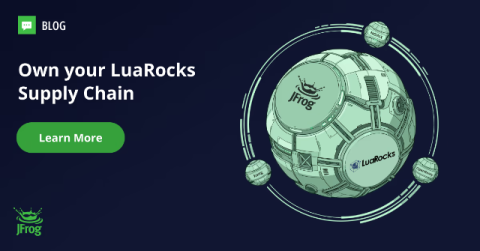
JFrog Artifactory Supports LuaRocks Hosting for NGINX, OpenResty and Kong

If your NGINX/OpenResty servers or Kong gateways pull Lua modules straight from public luarocks.org, one upstream outage can stall every build and deploy that depends on a “rock”. With LuaRocks support in JFrog Artifactory, you host and proxy those modules from a private LuaRocks registry you control, using the native experience you expect, not a bolted-on workaround.

JFrog Agent Power for AWS Kiro

JFrog is bringing software supply chain governance to AWS Kiro. Operating as a power plugin within Kiro, JFrog delivers package safety, agentic access to the JFrog platform, and the JFrog AI Catalog. With simple setup, AI agents make supply chain aware decisions right inside the IDE, ensuring dependencies come directly from Artifactory rather than unverified public registries.

Find code faster: Introducing our new & improved search experience

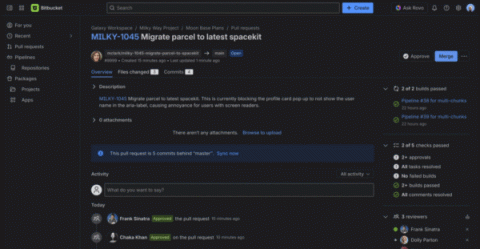
Finding code across your repositories in Bitbucket just got a major upgrade. We’ve rolled out code search in open beta for Bitbucket Cloud: a faster, more integrated search experience built to help you find code across your workspace without interrupting your workflow. For many developers, search is one of the fastest ways to explore an unfamiliar codebase, investigate an incident, audit API usage, or scope a refactor.