Whether you’re a small business with fewer than 100 employees or a global enterprise with thousands, having an alert system integrated into the service desk can be invaluable. This type of cross-functional integration can trigger automatic incidents in the service desk based on certain monitoring events, particularly issues that impact a significant portion of employees, including critical applications and network infrastructure.
The service desk is full of data that can improve service delivery. Tracking relationships and record history through a configuration management database is a great way to leverage this data. Watch this video to learn more about the visual CMDB in SolarWinds Service Desk and how to maximize it within ITIL practices.
Today, in the fast-paced digital world, it’s crucial for organizations to develop websites that provide a seamless web experience to the users. Companies are investing in tools and infrastructure to ensure their site’s performance is monitored constantly and optimized in real time. Loading time is one of the critical components with an impact on the user experience.
Many organizations across the U.K. are tackling the three main factors behind digital transformation: cloud technology, IoT, and employee mobility. However, one downside to increased digitization is how this opens an organization up to the potential for more cyberattacks, which isn’t too surprising when you consider an expanded digital presence equates to an expanded attack surface.
First, I hate the term “soft” skills. I prefer we call them essential or non-technical skills or even essential non-technical skills, as that would be more accurate and not have implications about difficulty. I firmly believe these skills are crucial even in normal times. As the year wears on and there’s no end in sight for a remote workforce, I want to take a few moments to recognize the importance of these non-technical skills in this environment.
Conferences, while a lot of work, are such a fun outlet to connect with other people in the IT community. It’s an opportunity to learn about new technologies, trends, and gain new perspectives around the industry. Some of my favorite memories of past conferences stem from the exhibit hall passport games and morning coffee breaks, mingling with other attendees whose paths you may not typically cross. Those were the days!
Since the launch of ITIL 4, incorporating DevOps into service management strategy has been a hot topic. On the surface, both DevOps and ITIL are frameworks that can help facilitate successful operations surrounding IT services. But that doesn’t mean that IT pros need to choose one or the other. Like most great marriages, it’s how these two methodologies complement each other that makes them an ideal pair when it comes to ITSM.
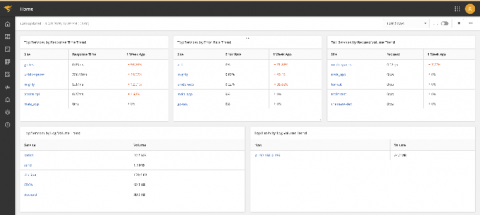
APM tools have been formerly and primarily siloed in the application development arena, with only the most important and mission-critical applications having their APM instrumentation extended into production use due to complexity and cost. In the modern world of application monitoring, the requirements for Dev and Ops need to be tightly integrated.
IT change management requires complete data, risk assessment, and consistency. Utilizing change templates and predefined workflows builds consistency, and helps make the practice more efficient. Watch this video to learn how to use the change management tools available in SolarWinds Service Desk.