Managing Kubernetes clusters without visibility is like flying blind. With Site24x7, you get real-time insights into critical Kubernetes metrics to keep your clusters running smoothly.
"The whole is more than the sum of its parts," said Aristotle. This quote fits the amazing world of modern IT, where several intricate, interwoven, and intensely dynamic ecosystems come together. Today, every component, from applications and microservices to networks and databases, interacts dynamically. To ensure seamless operations, IT teams are expected to decode the language of these interactions: events and incidents.
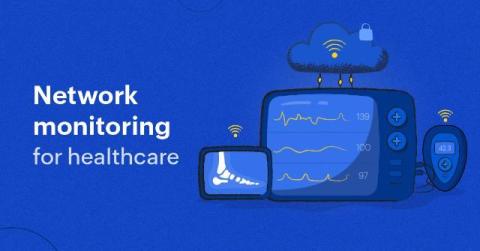
During emergencies and illnesses, people expect intuitive healthcare services. When multiple tests and reports are involved, patients anticipate that the results will be available to their doctors instantly for quick diagnoses. Waiting for a paper copy of each test result is not feasible.
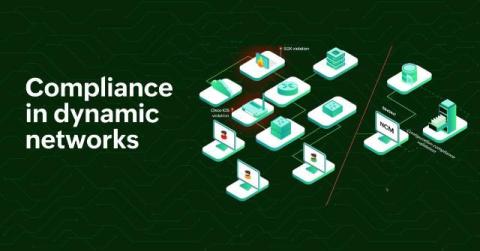
With hybrid cloud models and multi-cloud infrastructures, network administrators often find that managing compliance requires constant ingenuity that’s as fluid and unpredictable as the technologies they’re using. For CXOs, it’s a ticking time bomb. One wrong turn or a misstep in managing compliance could lead to penalties, legal nightmares, and a reputation that takes years to rebuild. So, the real question is: How do you keep up with the tech landscape and stay compliant?
In-app purchases (IAPs) are the lifeblood of mobile app monetization, but getting users to complete a transaction isn’t always easy. A slow checkout page, a failed payment request, or even a minor delay in loading the purchase screen can make users abandon their purchase altogether. So, how do you optimize the app conversion rate and ensure that a user has a successful transaction every time?
In today's hyper-disruptive risk climate, most businesses are under-prepared. With cyberattacks threatening organizations every day, even the most experienced risk professionals are under growing uncertainty. In this climate, can you really afford not to monitor your networks? Failing to monitor your network isn't just a technical oversight; it's a strategic vulnerability.
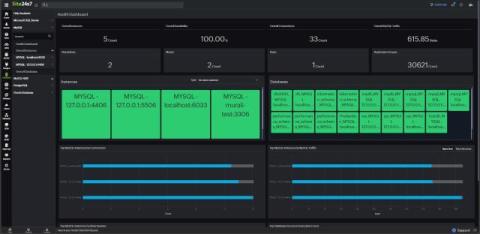
Because you've navigated here, it's clear you know the significance of managing your databases. We all agree that maintaining the speed and responsiveness of our applications depends upon how we manage our database connections. In this blog post, we will focus on MySQL databases. MySQL connection pooling is revolutionary because it speeds up queries, conserves resources, and allows applications to handle high traffic effortlessly.
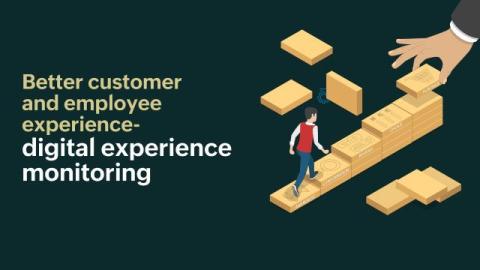
Outstanding digital experiences are becoming a basic requirement in today's digital economy rather than a distinction. From initial discovery to post-purchase assistance, customers demand smooth, personalized journeys that fulfil their expectations and flow naturally via each touchpoint. Employees need the tools and information to support these experiences effectively.
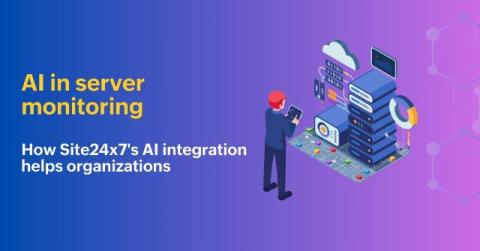
AI is what automation used to be: the latest problem-solver. Organizations have rallied their teams to integrate AI into their workflows to quadruple the efficiency quotient—and it's already started to yield results. As organizations increasingly rely on complex server ecosystems, traditional monitoring methods often struggle to kee pace with the volume and complexity of data generated. AI can be a star player here.
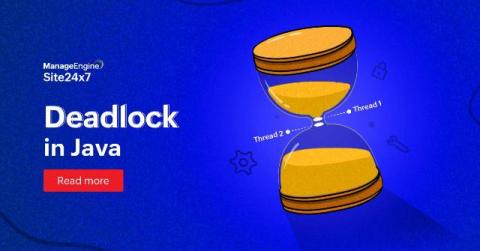
A deadlock occurs when two or more threads are continuously blocked after waiting for the same resources. In other words, Thread A is waiting for a resource held by Thread B, while Thread B is also waiting for a resource held by Thread A. This creates a loop of blocking, causing the application to become unresponsive.