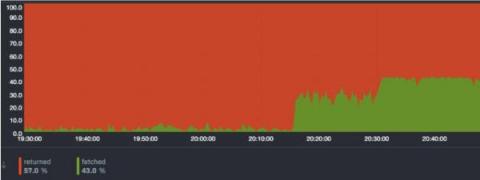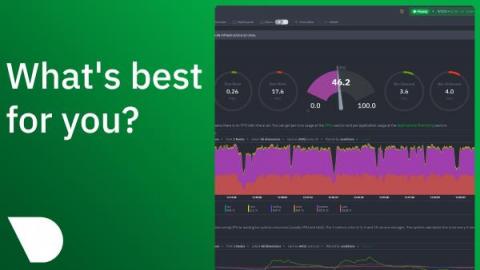
In the Kubernetes (K8s) community, there is a huge misconception about CPU allocation and utilization. Even highly experienced SREs find themselves struggling with the way Kubernetes allocates CPU resources, leading to misconfigured CPU allocations and extremely negative outcomes. For starters, this results in significant quality degradation on important service components, introduced by behind-the-scenes CPU limiting (or throttling).
At Netdata, we love two things more than anything else: Our goal is to make troubleshooting and monitoring as seamless as possible with the open-source Agent. This includes giving you pre-configured alerts so that you get notified immediately when a disruption occurs. The Netdata Agent comes with over 250 pre-configured and optimized alerts.
Our Analytics & ML lead Andrew Maguire recently had a chance to share our new Anomaly Advisor feature with the wider CNCF community. In his demonstration he did some light chaos engineering (using Gremlin and stress-ng) to generate some real anomalies on his infrastructure and watch how it all played out in the Anomaly Advisor in Netdata Cloud. There were also some great questions and discussion from the audience around ML in general and in the observability space itself.
Together with you, our fabulous community, Netdata is changing the way the world thinks of high fidelity monitoring – and we are gaining momentum. Our chief troublemaker and CEO, Costa Tsaousis, is the pioneer and architect of this revolution that’s brewing in the monitoring and troubleshooting space. Watch him explain the Netdata way of troubleshooting.
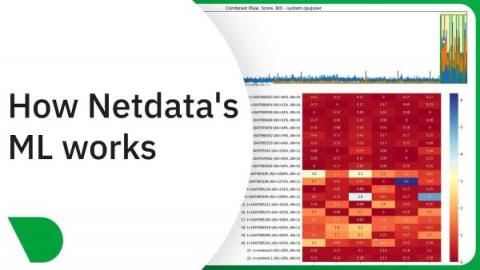
There is a lot of buzz in the world of machine learning (ML) and as a layperson it can be hard to keep up with it all. Therefore, we decided to write down some of our thoughts and musings on how we are approaching ML at Netdata. We’ll touch on the current state of applied ML in industry in general, and zoom in on ML in the monitoring industry.