
Why Software Companies Should Never Skip Over Physical Security
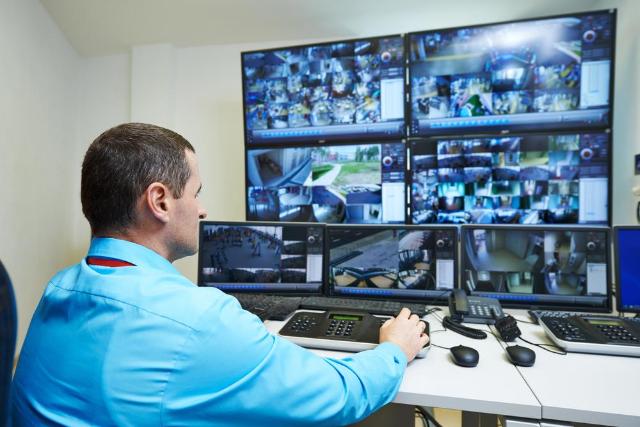
Image Source: depositphotos.com
In the software industry, most conversations about security revolve around firewalls, encryption, multi-factor authentication, and patch management. While these digital measures are essential, physical security often gets left in the shadows. For many software companies, this oversight can be costly, not just financially, but in terms of trust, compliance, and operational continuity.
Digital Assets Still Exist in a Physical World
Every piece of software, from the simplest app to the most advanced AI model, ultimately lives somewhere on physical hardware. Servers, backup drives, workstations, and networking equipment are tangible assets vulnerable to theft, damage, or tampering. Without robust physical safeguards, even the strongest cybersecurity systems can be undermined in minutes by someone with unauthorized access to the right equipment.
Protecting Intellectual Property
For software companies, intellectual property is the lifeblood of the business. Source code, proprietary algorithms, and sensitive customer data are valuable targets. If a malicious actor can physically access developer machines or data centers, they can bypass virtual defenses entirely. Physical security measures such as access control systems, locked server racks, and round-the-clock monitoring can prevent these breaches before they happen.
Compliance and Regulatory Requirements
In industries handling financial, healthcare, or government data, regulatory bodies often require strict physical security protocols. Frameworks like SOC 2, HIPAA, and ISO 27001 include provisions for securing physical environments. Skipping these steps can result in failed audits, penalties, and loss of contracts. Even if a software company does not operate in a regulated field, strong physical security can bolster client confidence and differentiate the business from less prepared competitors.
The Insider Threat Factor
Not all risks come from the outside. Disgruntled employees, contractors, or even visitors with temporary access can cause significant damage. Insider threats are often harder to detect because these individuals may already have legitimate digital credentials. Physical safeguards, including secure entry points, visitor logs, and camera surveillance, create an additional layer of deterrence and accountability.
Business Continuity and Disaster Response
Security is not only about preventing malicious activity. Fires, floods, or other disasters can physically destroy the infrastructure that keeps a software company running. Physical security systems, when integrated with environmental monitoring and alert tools, can detect hazards early. CCTV, alarms, and real-time notifications can help safeguard assets and enable faster emergency responses.
The Role of Modern Surveillance
Today's surveillance systems go far beyond simple cameras. Modern solutions integrate with networked monitoring platforms, provide high-definition video, and allow for remote access. This makes it possible for security teams to respond quickly from anywhere. For instance, companies can work with providers like Garber Electric's commercial CCTV services out of Dayton OH, to design surveillance solutions tailored to specific operational needs, ensuring comprehensive coverage without disrupting workflow.
Balancing Costs and Benefits
Some software companies hesitate to invest in physical security because they see it as an unnecessary expense. However, when compared to the potential cost of a breach, including lost revenue, legal fees, and reputational damage, the return on investment is clear. Implementing even a modest physical security plan can dramatically reduce risk exposure.
Summing Up
In an industry that thrives on virtual innovation, it can be easy to forget that the digital world rests on a very physical foundation. Strong physical security is not a relic of a bygone era; it is a modern necessity for any software company that values its assets, reputation, and future growth. By treating physical protection with the same seriousness as cybersecurity, businesses create a truly resilient security posture.