Operations | Monitoring | ITSM | DevOps | Cloud

Quickly troubleshoot application errors with Error Reporting

Are you familiar with the four golden signals of Site Reliability Engineering (SRE): latency, traffic, errors, and saturation? Whether you’re a developer or an operator, you’ve likely been responsible for collecting, storing, or analyzing the data associated with these concepts. Much of this data is captured in application and infrastructure logs, which provide a rich history of what is happening behind the scenes in your workloads.

Getting Started with Google Cloud Logging Python v3.0.0

We’re excited to announce the release of a major update to the Google Cloud Python logging library. v3.0.0 makes it even easier for Python developers to send and read logs from Google Cloud, providing real-time insights into what is happening in your application. If you’re a Python developer working with Google Cloud, now is a great time to try out Cloud Logging! If you're unfamiliar with the `google-cloud-logging` library, getting started is simple.

Webhook, Pub/Sub, and Slack Alerting notification channels launched

When an alert fires from your applications, your team needs to know as soon as possible to mitigate any user-facing issues. Customers with complex operating environments rely on incident management or related services to organize and coordinate their responses to issues. They need the flexibility to route alert notifications to platforms or services in the formats that they can accept.

Creating custom notifications with Cloud Monitoring and Cloud Run

The uniqueness of each organization in the enterprise IT space creates interesting challenges in how they need to handle alerts. With many commercial tools in the IT Service Management (ITSM) market, and lots of custom internal tools, we equip teams with tools that are both flexible and powerful. This post is for Google Cloud customers who want to deliver Cloud Monitoring alert notifications to third-party services that don’t have supported notification channels.

Patterns for better insights and troubleshooting with hybrid cloud logs

Hybrid and multi-cloud environments produce a boundless array of logs including application and server logs, logs related to cloud services, APIs, orchestrators, gateways and just about anything else running in the environment. Due to this high volume, logging systems may become slow and unmanageable when you urgently need them to troubleshoot an issue, and even harder to use them to get insights.

How to deploy the Google Cloud Ops Agent with Ansible

Site Reliability Engineering (SRE) and Operations teams responsible for operating virtual machines (VMs) are always looking for ways to provide a more reliable, more scalable environment for their development partners. Part of providing that stable experience is having telemetry data (metrics, logs and traces) from systems and applications so you can monitor and troubleshoot effectively. Many Google Cloud services, including Google Compute Engine, provide basic system metrics out of the box.

How Sabre is using SRE to lead a successful digital transformation

Editor’s note: Today we hear from Kenny Kon, an SRE Director at Sabre. Kenny shares about how they have been able to successfully adopt Google’s SRE framework by leveraging their partnership with Google Cloud. As a leader in the travel industry, Sabre Corporation is driving innovation in the global travel industry and developing solutions that help airlines, hotels, and travel agencies transform the traveler experience and satisfy the ever-evolving needs of its customers.

Get planet-scale monitoring with Managed Service for Prometheus

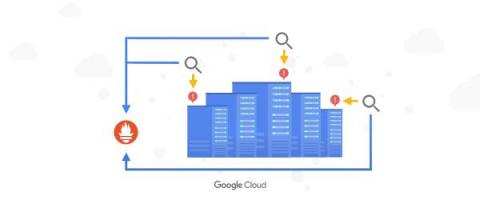
Prometheus, the de facto standard for Kubernetes monitoring, works well for many basic deployments, but managing Prometheus infrastructure can become challenging at scale. As Kubernetes deployments continue to play a bigger role in enterprise IT, scaling Prometheus for a large number of metrics across a global footprint has become a pressing need for many organizations.

Enabling SRE best practices: new contextual traces in Cloud Logging

The need for relevant and contextual telemetry data to support online services has grown in the last decade as businesses undergo digital transformation. These data are typically the difference between proactively remediating application performance issues or costly service downtime. Distributed tracing is a key capability for improving application performance and reliability, as noted in SRE best practices.

Google Cloud Monitoring 101: Understanding metric types

Whether you are moving your applications to the cloud or modernizing them using Kubernetes, observing cloud-based workloads is more challenging than observing traditional deployments. When monitoring on-prem monoliths, operations teams had full visibility over the entire stack and full control over how/what telemetry data is collected (from infrastructure to platform to application data).