The Path to Continuous Cloud Optimization
Learn what it takes to manage a successful optimization program.


The latest News and Information on Cloud monitoring, security and related technologies.
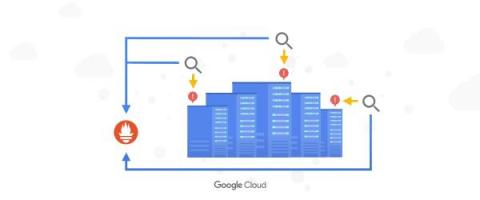
According to a recent CNCF survey, 86% of the cloud native community reports that they use Prometheus for observability. As Prometheus becomes more of a standard, an increasing number of developers are becoming fluent in PromQL, Prometheus’ built-in query language. While it is a powerful, flexible, and expressive query language, PromQL is typically only able to query Prometheus time series data.
Cloud-native applications running on Kubernetes rely on container network plugins to establish workload communication. While Azure Kubernetes Service (AKS) provides several supported networking options (kubenet and Azure CNI) that address the needs of most deployments, Microsoft recently introduced the ability to bring your own networking solution, called BYOCNI, to help users address more advanced networking requirements. This new feature enables AKS customers to run Calico networking on AKS.
Depending on your available resources, data analysis can take place at the edge or in the cloud, but businesses don’t need to choose one location over the other. There are benefits to giving the edge autonomy to collect, process, and act on data locally. Data replication helps maintain edge autonomy and makes it easier for users to get the data they need, where they need it.
Cribl.Cloud’s Summer 2022 release is now available in an AWS cloud near you! As part of this release, we are excited to share the features we have been building, including the latest Cribl product releases (Stream 3.5 and Edge 3.5). This release brings some much-requested features that will help customers increase their compliance, reduce overall costs, and deploy a more resilient observability data pipeline.
Most of us picture cloud security threats as bad actors in some hostile country. More often, it’s you and your coworkers. Talk about cloud security and you’re likely to discuss provider-focused issues: not enough security, not enough auditing, not enough planning. However, the biggest cloud security risks continue to be the people who walk beside you in the hallways.
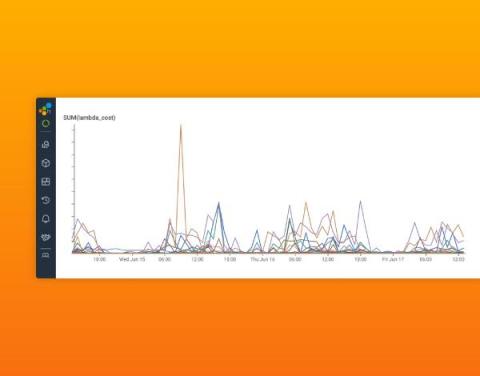
Honeycomb uses AWS Lambda as a core part of our query execution architecture; Lambda’s ability to quickly allocate lots of resources and charge us only for use is invaluable to keeping Honeycomb fast and affordable. Our total Lambda bill is easily accessible in the AWS Console, but how do we know which customers or application areas dominate this bill? How do we judge the cost of changes we make to our own software?