Operations | Monitoring | ITSM | DevOps | Cloud


The latest News and Information on Containers, Kubernetes, Docker and related technologies.



Defying the Odds - Building Robust & Secure Workloads in K8s with Komodor & Aqua

Kubernetes Load Testing: Speedscale vs NeoLoad
How to Manage Staging Environments to Speed Up Your Deployments By 5x
IBM LinuxONE and Sysdig: Building cyber resilient systems in hybrid cloud environments
On September 13, 2022, IBM announced the latest IBM LinuxONE Emperor 4, a highly secured and sustainable Linux-based enterprise server designed for companies of all sizes. Sysdig with IBM LinuxONE provides unified visibility across workloads and cloud infrastructure through a single cloud-native monitoring and security platform.
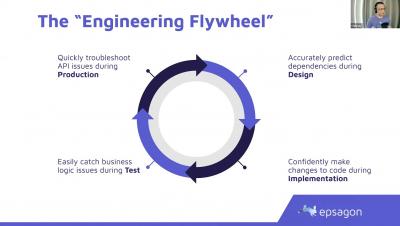
Observability and Resilience in Microservices-based Environments [Komodor + Epsagon Webinar]
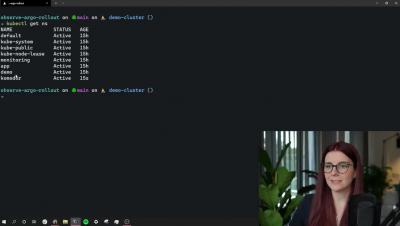
Civo Update - September 2022
In August, we announced a brand new tech event, Civo Navigate! This event will bring together the brightest minds in cloud native technology to provide a packed event with over 50 speakers. Civo Navigate is focused on bringing together the cloud native community and creating an environment where everyone can share ideas, collaborate and learn more. If you are interested in joining us in person, register now to get in-person access to all keynote sessions, workshops, and breakout sessions.