Operations | Monitoring | ITSM | DevOps | Cloud


The latest News and Information on Continuous Integration and Development, and related technologies.

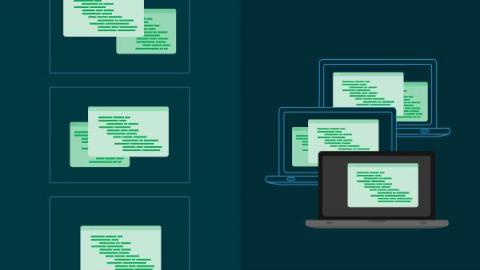
Containers vs virtual machines: what is the difference?
In computing, virtualization is the creation of a virtual — as opposed to a physical — version of computer hardware platforms, storage devices, and network resources. Virtualization creates virtual resources from physical resources, like hard drives, central processing units (CPUs), and graphic processing units (GPUs). By virtualizing resources, you can combine a network of resources into what appears to users as one object.
Announcing issue-initiated Change Lead Time
Sleuth is pleased to announce a new option to start your Change Lead Time clock based on state transitions in your issue tracker! In our ongoing effort to meet customers where they are, we heard from many of you that you’d like Sleuth to account for and provide visibility into your pre-commit coding time. We’re pleased to offer this this new option to tell Sleuth which specific state transitions in your issue tracker should start your Change Lead Time clock!
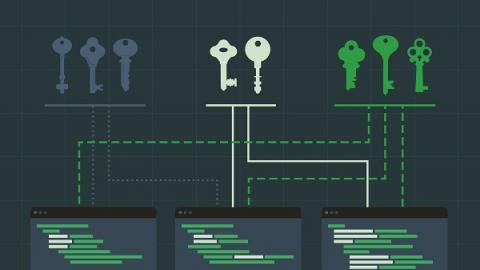
Share secrets with standalone projects with project context restrictions
Introducing project context restrictions for GitLab organizations. This feature enables project-based restrictions on contexts for standalone projects that are not tied to a VCS. Standalone projects are available at this time only with a GitLab integration with CircleCI. In this blog post, we hope to explain the value of this feature and how it can be used to further secure your workflows.

Does accuracy matter for tracking DORA metrics?
You might be excited about tracking DORA metrics, but have you ever thought about the ways in which you track them, and how important accuracy is in your methods?

Virtualization Technology | A Brief Overview

How to Gain Observability into Your CI/CD Pipeline
We all know that observability is a must-have for operating systems in production. But we often neglect our own backyard — our software release process. We noticed we made that mistake here at Logz.io. We were wasting time and energy in handling failures in the CI/CD pipeline, and made our Developer-on-Duty (DoD) shifts tedious. That’s why it’s critical to incorporate your observability practices into your CI/CD pipeline.
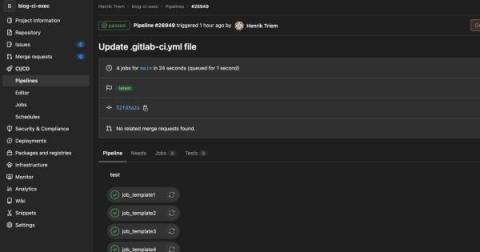
GitLab CI/CD Job Templates!
Like I’ve mentioned in my last blog post, we use GitLab pipelines for packaging. We have a lot of software, like Icinga, Icingaweb and its various modules, which we want to build across multiple different operating systems. This results in a huge number of jobs and pipelines, doing very similar stuff. We have a lot of code repetition, and this is bad – code repetition means higher code maintenance , and it invites bugs.

Atlassian DevOps Talks Fireside Chat with the CICD industry
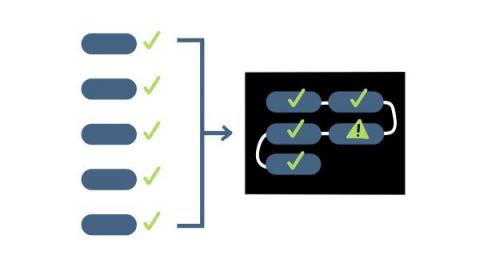
Component testing vs unit testing
Testing is a vital part of the software development lifecycle. It plays an important role in the continuous integration/continuous deployment (CI/CD) pipeline, enabling developers to release dependable, resilient, and secure software consistently. There are many types of testing and testing methodologies: end-to-end testing, dynamic testing, integration testing, and others. This article focuses on component testing and unit testing.