Operations | Monitoring | ITSM | DevOps | Cloud

Why Release Control Takes Weeks

The industry standard for release control is painfully manual: long-form policy documents, ServiceNow forms, human approvals, meetings, and tickets that take days or even weeks to close. In this video, Mike Long (CEO & Co-founder, Kosli) explains the difference between manual release control and an automated, zero-trust model where evidence is collected automatically, provenance identifies the artifact, and approvals can be fully codified.


Evidence as an Input

Evidence isn’t something you produce at the end — it’s something every control generates for the next one. In this video, Mike Long (CEO & Co-founder, Kosli) explains how vulnerability scans produce evidence tied to the artifact fingerprint and the policy file used, and how that evidence becomes an input to downstream controls like release approvals. This is the core of reusable, continuous compliance.

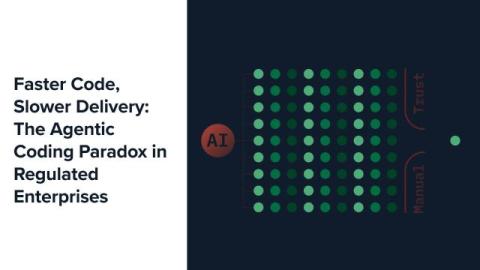
Faster Code, Slower Delivery: The Agentic Coding Paradox in Regulated Enterprises

Imagine for a moment that agentic coding tools really do deliver on their promise. Code is written faster, tests are generated automatically, and refactors that once took days now take minutes. On paper, software delivery should accelerate dramatically. Now imagine you work in a regulated enterprise. The code is ready, but production is still days or weeks away.

The Last Mile - Why Banks Must Automate Trust to Gain Velocity

The financial service industry has spent years modernising their software delivery pipelines. Build and test cycles are fast, infrastructure is automated, and engineering capability is no longer the bottleneck. The slowdown now occurs at the end of the process: the last mile, where a change must prove it is safe before it can enter production. This final step is governed by a trust layer with people in it.