Operations | Monitoring | ITSM | DevOps | Cloud

Software Asset Management system for Modern Businesses

Managing software has become one of the most pressing challenges for modern organizations. Licenses span SaaS subscriptions, on-premise tools, and hybrid deployments, each carrying costs and compliance risks. Without structured oversight, audits turn into costly disruptions and budgets bleed through unused applications. This is why asset management software for small business and enterprise platforms alike are gaining traction.
What Type of Software Should Asset Managers Use to Maximize ROI?

What Type of Software Should Asset Managers Use is a critical question for businesses aiming to maximize performance, reduce risks, and drive higher returns. In this video, we break down the best software solutions every asset manager should consider—from IT asset management platforms to cloud-based tools that simplify tracking, compliance, and reporting. Whether you’re in finance, IT, or operations, choosing the right software can make all the difference in efficiency, scalability, and profitability.

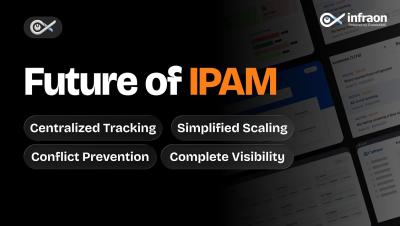
The Future of Network Management - What Are the Primary Functions of Modern IPAM Solutions?

The future of network management depends on understanding the primary functions of modern IPAM solutions. In this video, we break down how IP Address Management (IPAM) has evolved to meet the needs of today’s complex IT environments. From automating IP address allocation to integrating with DNS and DHCP, IPAM ensures smooth network operations, reduces human error, and strengthens security. We’ll explore the essential functions of modern IPAM, including centralized visibility, automated workflows, scalability, and integration with cloud and virtual environments.

The Future of IT Operations - Why AIOps Is Perfect for Fast Growing Businesses

The future of IT operations is here, and that’s why AIOps is perfect for fast growing businesses. It is 2025 and companies need to scale quickly without sacrificing performance, stability, or customer experience. AIOps (Artificial Intelligence for IT Operations) provides the perfect solution by combining automation, machine learning, and advanced analytics to manage complex IT environments with ease.

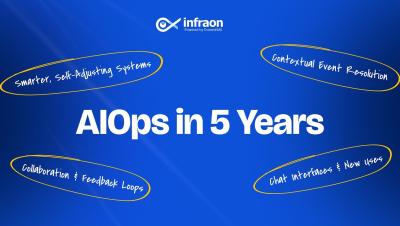
The Future of IT: Where Will AIOps Be in Less than 5 Years?

The future of IT: Where will AIOps be in less than 5 years? In this video, we dive deep into the evolution of Artificial Intelligence for IT Operations (AIOps) and what the next half-decade holds for businesses, IT teams, and technology leaders. AIOps is no longer just a buzzword—it’s becoming a critical part of IT operations, enabling predictive analytics, automated incident management, root cause analysis, and faster decision-making.

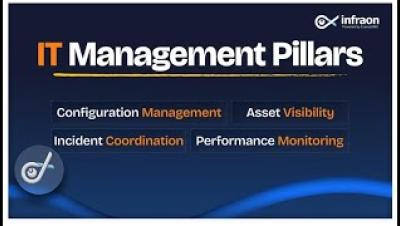
Why You MUST Know What Are the Pillars of IT Infrastructure Management?

IT Infrastructure Management is the foundation that keeps businesses running smoothly, ensuring scalability, performance, and security. In this video, we’ break down the core pillars every IT leader, engineer, or tech enthusiast needs to understand, covering hardware, software, networks, data, and cloud environments.

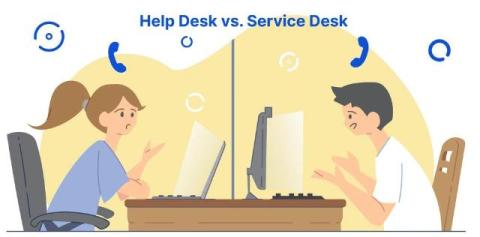
Help Desk vs. Service Desk: What's the Difference?

Modern businesses depend on strong IT support to keep everything running smoothly. However, many still confuse the terms Help Desk vs Service Desk, often using them interchangeably. This mix-up can lead to choosing the wrong support structure, affecting productivity and user satisfaction. This blog will clearly explain the difference between a help desk and a service desk, and guide you on when to use each.

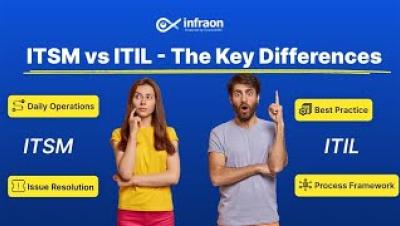
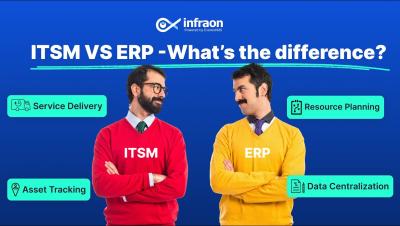
ITSM vs ERP - Learn the Key Differences in a minute

ITSM vs ERP – What’s the Difference? In this video, we break down the key differences between IT Service Management (ITSM) and Enterprise Resource Planning (ERP) in a straightforward manner. If you’ve ever been confused about how these two systems work, you’re not alone! We’ll cover what ITSM is, how it helps organizations manage IT services, and how ERP streamlines core business processes like finance, HR, and supply chain.