Operations | Monitoring | ITSM | DevOps | Cloud

How to Master Reporting on Microsoft SCOM

System Center Operations Manager (SCOM) reporting offers organizations a powerful toolset for monitoring and managing their IT infrastructure. The benefits of SCOM reporting include real-time performance monitoring, historical analysis for trend identification, customizable dashboards, and the ability to conduct compliance audits. These features empower administrators to proactively address issues, optimize resource allocation, and maintain compliance with industry regulations.

NiCE Customer Quotes

In the contemporary business landscape, the need for efficient IT infrastructure monitoring is paramount to ensure smooth operations and maintain competitiveness. NiCE specializes in Management Packs tailored for Microsoft SCOM, offering comprehensive performance insights and scalability. Our customers consistently report benefits such as improved monitoring, seamless integration with SCOM, and proactive issue resolution.
Sponsored Post

Cost Benefits of Azure Monitor SCOM Managed Instance

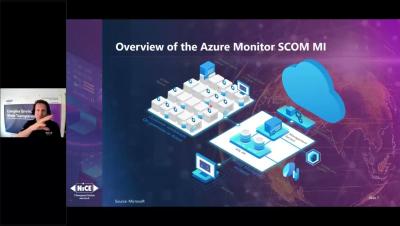
Microsoft has just released the latest news regarding the cost structures for Azure Monitor SCOM Managed Instance. In this recent publication by Aakash Basavaraj on the Microsoft Tech Community, valuable insights have been shared on the benefits and cost-effectiveness of transitioning from the traditional System Center Operations Manager (SCOM) to the cloud-based Azure Monitor SCOM Managed Instance (SCOM MI). This blog post provides a condensed overview, highlighting key considerations and showcasing potential cost savings of up to 44%.

Microsoft System Center Infrastructure Monitoring and Automation in Action

Are you grappling with the complexity and time-consuming nature of identifying and resolving infrastructure issues? We understand the challenges that can arise, impacting service quality and efficiency. Join us for an insightful webinar, “Microsoft System Center | Infrastructure Monitoring and Automation in Action,” where we will unveil the power of NiCE and Kelverion in automating your infrastructure management.

NiCE Advanced URL Management Pack for Microsoft SCOM

NiCE Advanced URL Management Pack enables extended monitoring of https, certificates, response times, and much more. It is inspired by the URL Genie MP, bringing many more new features to the SCOM admin table. In this Use Case covering the NiCE Advanced URL Management Pack, a FinTech Provider specifically needed way more in-depth URL monitoring for several reasons, all of which are tied to enhancing the security, performance, and user experience of their services.

NiCE Unified Monitoring Management Pack for Microsoft SCOM

The Unified Monitoring Management Pack discovers other monitoring systems like Icinga, Nagios, and CheckMK and brings their alerts into SCOM for unified monitoring and alert management. A FinTech provided was faced with managing several monitoring tools, all of them required to run smooth operations.

NiCE Linux Extension Management Pack for Microsoft SCOM

The NiCE Linux Extension Management Pack enables extended Log monitoring for Linux Systems. It includes analyzing multiple rows, wild cards, log correlation, and more. The standard Linux Management Pack for System Center Operations Manager (SCOM) offers a decent level of monitoring for Linux systems, but it might have limitations when it comes to log monitoring on Linux in comparison to more specialized or dedicated log management solutions. Here are a few areas where it might be lacking.
Sponsored Post

Navigating the Top 10 Linux Monitoring Challenges

In today's fast-evolving IT landscape, where technological advancements are the norm, the role of robust monitoring has become increasingly critical. As organizations embrace Linux-based systems for their flexibility, performance, and scalability, the need to effectively monitor these environments has never been more pronounced. Linux, being at the core of numerous mission-critical operations, demands a vigilant and adaptive monitoring approach to ensure optimal performance, security, and reliability.