Operations | Monitoring | ITSM | DevOps | Cloud

Getting Started with Ruby and InfluxDB

Scroll down for the author’s photo and bio. Time series databases like InfluxDB index data by time. They are efficient at recording constant data streams like server metrics, application monitoring, sensor reports, or any other data containing a timestamp. The structure makes analyzing change over time a breeze. This tutorial will show you how to set up InfluxDB with a sample Ruby application.

MQTT Topic and Payload Parsing with Telegraf

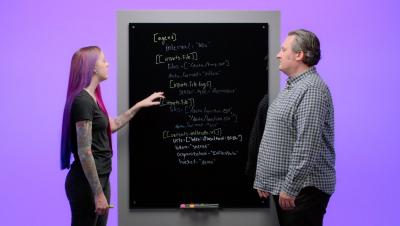
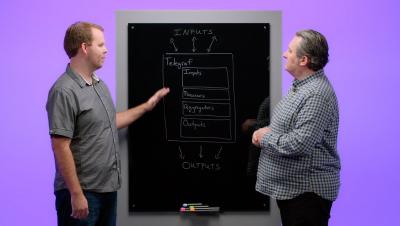
Buckle up, this one isn’t short…but I’m hoping it will be thoroughly informative! This post is about Telegraf as a consumer of MQTT messages in the context of writing them to InfluxDB. If you are interested in and unfamiliar with Telegraf, you can view docs here. Unsure if Telegraf aligns with your needs? I make a case for it in the Optimizing Writes section of this blog post. It may also help to have an understanding of Line Protocol, InfluxDB’s default accepted format.

TL;DR InfluxDB Tech Tips: IoT Data from the Edge to Cloud with Flux

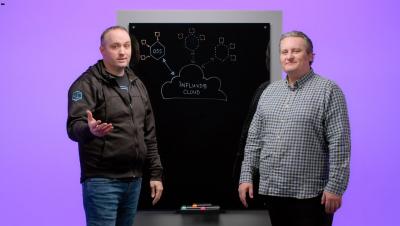
When it comes to writing data to InfluxDB, you have a lot of options. You can: The last bullet is the most powerful and flexible way of maintaining and managing your fleet of IoT devices. That architecture offers you several advantages including: Architecture drawing of the last bullet. Sensors write data to an OSS instance of InfluxDB at the edge which in turn write data to InfluxDB Cloud.

Getting Started with Java and InfluxDB

Time series data is becoming vital, from IoT devices’ sensors to financial processing. The data collected from these sources can help in sales forecasting and making informed decisions about marketing and financial planning. In this article, you will learn about InfluxDB, one of the most efficient time series databases currently available, and explore how to use InfluxDB with Java.

PTC Kepware and InfluxDB: Collecting and Storing Your Automation Data

If you have worked in the automation sector for some time, it is likely you have come across or at least heard of PTC Kepware. They provide one of the largest connectivity suites for automation devices such as PLC’s easing the bridge between the OT (Operation Technology) and IT (Information Technology) world. The best part? You can store, transform and visualize this data using InfluxDB. This blog post will take you through the different ways of connecting your Kepware instance to InfluxDB.

How to Use AWS Lambda Serverless Functions with InfluxDB

For time series workloads the ability of serverless functions to scale up and down is a major advantage, especially for something like IoT devices that may have intermittent connectivity and might suddenly send data in bursts. In this type of situation, it doesn’t make sense to be paying for a server to be running 24/7 when you can use a serverless function and only pay for the compute you use.