Operations | Monitoring | ITSM | DevOps | Cloud



A User Journey: Setting Up the Node Beeline on Lambda
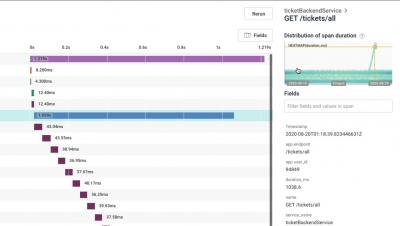
Nic Wise at Tend Health recently wrote a series of blog posts exploring how they moved away from logs and metrics, toward adopting observability with Honeycomb. In that series, he shares lessons learned as they got their NodeJS app instrumented in an AWS environment making use of CloudFront, API Gateway, Lambda, and a few other services. Tend is a New Zealand-based healthcare platform launching in 2020.

Outreach Engages Their Production Code with Honeycomb
Outreach is the number one sales engagement platform with the largest customer base and industry-leading usage. Outreach helps companies dramatically increase productivity and drive smarter, more insightful engagement with their customers. Outreach is a privately held company based in Seattle, Washington. Tech Environment & Tools: Millions of Logs and Limited View Metrics.

Observability 101: Terminology and Concepts
When I first started following Charity on Twitter back in early 2019, I was quickly overwhelmed by the new words and concepts she was discussing. I liked the results she described: faster debugging, less alert fatigue, happier users. Those are all things I wanted for my team! But I was hung up on these big polysyllabic words, which stopped me from taking those first steps toward improving our own observability.



Ask an SRE Panel Talk

Logs and Traces: Two Houses Unalike in Dignity
Intelligent Medical Objects (IMO) and its clinical interface terminology form the foundation healthcare enterprises need, including effective management of Electronic Health Record (EMR) problem lists and accurate documentation. Over 4,500 hospitals and 500,000 physicians use IMO products on a daily basis. With Honeycomb, the engineering team at IMO was able to find hidden architectural issues that were previously obscured in their logs.

Getting Metrics Into Honeycomb
Honeycomb is an event-based observability tool. Rather than relying on the rigid pre-aggregated measures provided by metrics, Honeycomb instead favors using events because they provide a much greater degree of flexibility. But that doesn’t mean metrics don’t belong in Honeycomb. Our new whitepaper, Getting Started With Honeycomb Metrics, breaks down exactly how to do that.