Operations | Monitoring | ITSM | DevOps | Cloud

Sponsored Post

AI realism (part one)

Emotions are running high about AI technologies. In this 2-parter, I do my best to make a rational case on the reality of AI, and how we can respond to it. This is part one; part two next week. We seem to be struggling to have pragmatic discussions about advancements in Artificial Intelligence. It's hard to hear calmer voices over the detractors and breathless enthusiasts. Today, I want to make a reasoned, evidence-based case for the potential of this technology, glance at present and future applications, and offer some practical examples for implementing AI within an organization.
Sponsored Post

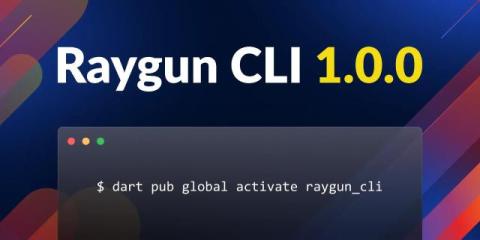
Introducing Raygun CLI: Level-up your error tracking workflow

Raygun CLI is a powerful command-line interface tool designed to enhance the developer experience when working with Raygun's error tracking and performance monitoring platform. With this tool, we bring Raygun's features directly to your terminal, making it easier to integrate some important elements of Raygun Crash Reporting and error tracking into your development and CI/CD workflow. We are excited to announce the release of version 1.0.0 of Raygun CLI.
Sponsored Post

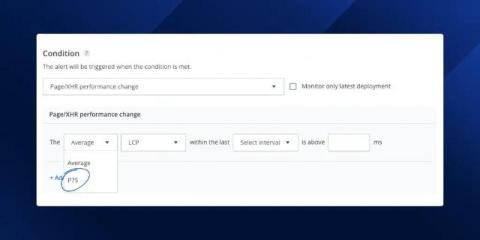
Smarter alerts using P75 for more signal and less noise

We've rolled out a new feature in Raygun Alerting that gives you more control over how you track and respond to performance regressions. Starting today, you can now use the 75th percentile (P75) as a filter option for page performance data in Real User Monitoring, such as Core Web Vitals and page load time, right alongside the default 'Average'. This option is available under the "Page/XHR performance change" condition and supports all the Web Vitals metrics we track: Let's break down why this matters, when you should use P75, and how it gives you better, faster insights into how real users are experiencing your site or app.
Featured Post

How to decide between cloud and on-premise monitoring

Application performance monitoring systems tend to be available in two modes: on-premise and cloud-based SaaS. Which is the "right" choice? Well, it depends on your situation, but overall cloud-based SaaS offerings have significant benefits when compared to on-premise. However, it's not always so simple. The right selection depends on the facts on the ground. Using my experience working for a large-scale cloud solutions department, I've put together some key things you'll want to consider before you make a decision, starting with some benefits and challenges.
Sponsored Post

Top 10 .NET exceptions (part two)

In Part 1, we walked through the top 5 most common.NET exceptions-breaking down what triggers them and how to fix them. Now, we're rounding out the list with five more exceptions every.NET developer is bound to encounter at some point: These exceptions can stem from database issues, memory mismanagement, and logic errors that can bring your applications to a halt. In this article, we'll break down each one, explain when and why they occur, and share practical strategies to fix them so you can keep your code running smoothly.
Sponsored Post

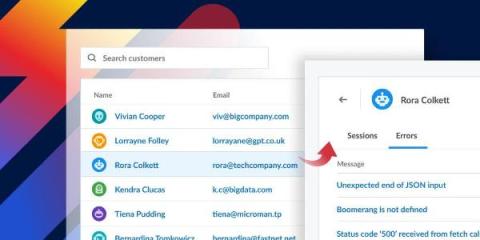
Using observability tools for security monitoring and incident detection

Most security teams overlook a goldmine of data sitting right in their applications - crash reports and Real User Monitoring (RUM) telemetry. While engineers typically use these tools for performance tracking, they can reveal security incidents that might otherwise go unnoticed. Let's explore some practical ways to turn your observability data into a powerful security monitoring system. I'll help create a table of contents in the requested format based on the headings in the article.