Operations | Monitoring | ITSM | DevOps | Cloud

The Place Where Modern Operations & Technology Come Together



Automated BigPanda Alert Remediation for Azure Applications
This demonstration shows how Resolve automates the remediation of unreachable web application. This alert is generated by BigPanda and Resolve workflows automatically diagnose the issue and remediate it without human input, creating a loop of self-healing IT. This workflow is built with Resolve's drag-and-drop designer, streamlines tasks like creating a ticket, updating monitoring tools, diagnosing issues, and performing remediation steps.

BigPanda Alert Remediation for Network Latency Issues
This demonstration showcases an automated workflow in Resolve Actions to fix high latency between an application server and a database server. The workflow is triggered automatically with a BigPanda alert. The automation responds to the alert, creating a ticket, providing real-time updates, and performing diagnostics. It checks for issues like network interface problems, CPU utilization, and memory to identify and fix the root cause.

AI-Powered Automated Incident Resolution
This incident resolution demonstration showcases how Resolve leverages language learning models (LLMs) like ChatGPT to enhance IT process automation. This example focuses on a network bandwidth issue, and how Resolve workflows speeds up incident resolution with minimal human input. What you'll learn.

ServiceNow Integration with Automation Designer
A great 3 minute video that demonstrates Resolve's capability to integrate with ServiceNow and incorporate Guided Procedures (interactive knowledge articles, blended with automation).

Integrate Resolve with ServiceNow
A great 3 minute video that demonstrates the Resolve Actions platform capability to integrate with ServiceNow and incorporate Guided Procedures (interactive knowledge articles, blended with automation).


How to create new Resolve AWS Instance via ServiceNow
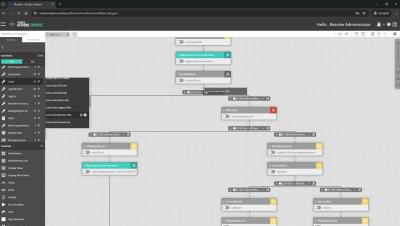
See how we use Resolve internally to streamline the provisioning of new Resolve Actions Evaluation instances on AWS. Resolve creates the new instance, configures the networking and firewall rules, and informs the Sales Team and Customer of the connection details.