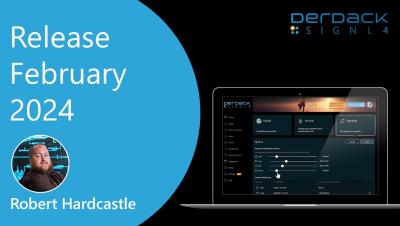
Our August update brings the ability to export shift scheduling from SIGNL4 to other calendar apps. In addition, video attachments are now supported for Signls. As always, all the details are in this blog article.
User July update includes a new and optimized user management in the web portal and a new feature in the duty scheduler, which allows to easily create stand-ins for scheduled duty personnel. Furthermore, it is now possible to acknowledge or close Signls directly during the call. As always, all details can be found in this blog article.
With the ever-growing landscape of digital technology and the internet of things (IoT), businesses are becoming increasingly reliant on complex systems to monitor and manage their operations. This dependency has resulted in an explosion of alerts and notifications, overwhelming IT teams and affecting overall productivity. It’s never been more critical to have an effective alert management strategy in place to ensure the smooth running of your organization.
Are you tired of dealing with IT incidents that seem to pop up at the worst possible times? Do you find yourself struggling to keep track of all the moving pieces involved in resolving incidents? If so, it’s time to revitalize your incident management strategy. In this article, we’ll explore the key pillars of incident process management, best practices, and how technology can help streamline your process.
The threat and security landscape is becoming increasingly cluttered. As incidents increase, so do alerts and notifications, leading to too many alerts and too few hours to address them. Many businesses work remote and with the ever-present smartphones, we are always on the go. Yet it is essential that security teams receive and prioritize meaningful threats, but that task is easier said than done.