Operations | Monitoring | ITSM | DevOps | Cloud

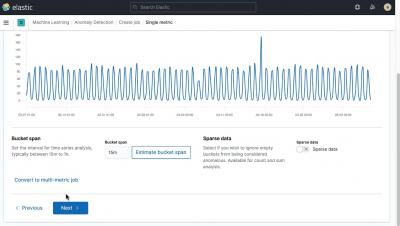
Anomaly Detection with Machine Learning

Unsupervised machine learning can help you detect anomalies in your data and forecast trends. The Elastic Observability and Security solutions have preconfigured machine learning models right out of the box. In this video you will see how you can get started with creating your own machine learning jobs.

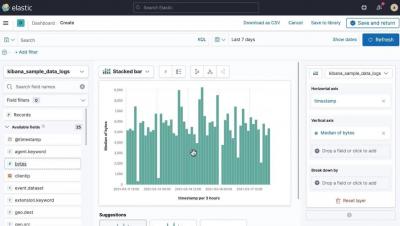
Getting Started with Elastic Maps Server (Beta)

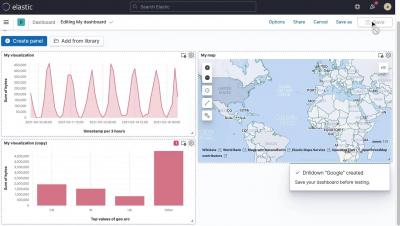
Elastic Maps Server gives you the ability to use Elastic Maps without needing to have a connection to Elastic Maps Service for the underlying basemaps and vector maps. This is ideal for air-gapped or low-connectivity environments that require locally managed assets. In this video, we walk through how to get started with Elastic Maps Server for your own self-managed Elastic Stack deployment.

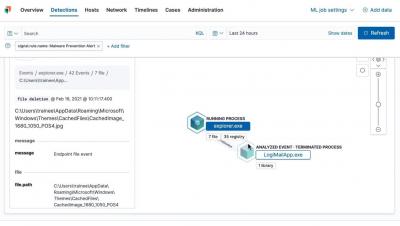
Elastic Security 101

Elastic Security empowers analysts to collect data from multiple data source integrations, perform traditional SIEM functions, and take advantage of machine learning-based malware protection on the endpoint. Analysts can filter, group, and visualize data in real-time while performing automated threat detection across various security events and information. In this video, you’ll learn about the components that make up Elastic Security and what those components do to help you protect your data.

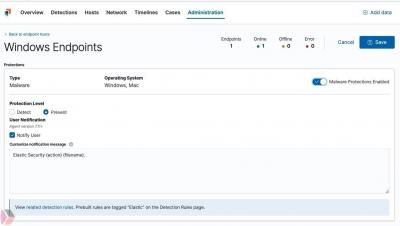
How to configure your Endpoint Integration policy in Elastic Security

Elastic Security offers the ability to open and track security issues using cases. Cases created directly in Elastic Security can be sent to external systems like Atlassian’s Jira, including Jira Service Desk, Jira Core, and Jira Software. In this video, you’ll learn how to connect Elastic Security to the Jira Service Desk.