Operations | Monitoring | ITSM | DevOps | Cloud

Measure What Matters

Have you ever had an alert go off that you immediately ignore? It’s a nuisance alert—not actionable—but you keep it around just in case. Or maybe you’ve looked at a trace waterfall and wondered what exactly happened during a gap that just doesn’t drill down deep enough to explain what’s going on. Do you know the feeling where you have just enough information to monitor what’s going on in your systems, but not quite enough to put your mind at ease?

Observability in the Age of AI

This post was written by Charity Majors and Phillip Carter. In May of 2023, we released the Honeycomb Query Assistant, an LLM-backed feature that lets engineers use natural language to generate and execute queries against their telemetry data. Instead of having to master a domain-specific query language, you can simply type in things like “slow endpoints by status code” and the Query Assistant will generate a relevant Honeycomb query for you to iterate on.

Understanding Develocity Build Data with Honeycomb

This post was written by David Chang, Staff Software Engineer at Pinterest, and originally posted on the Pinterest engineering blog on Medium. Develocity, formerly known as Gradle Enterprise, is a powerful tool that speeds up local and CI build time, helps troubleshoot your builds, and analyzes your data. At Pinterest, we have a dedicated team, Mobile Builds, and we ensure that developers can build fast and often. This enables developers to be more productive by getting faster feedback on their code.

Duolingo: Speaking the Language of Observability with Honeycomb

In the world of digital language learning, Duolingo stands out as a beacon of innovation and user engagement. With millions of users worldwide, their platform is designed not only to teach languages, but also to create a fun and engaging learning experience. Running on the robust AWS cloud infrastructure, Duolingo manages vast amounts of data and user interactions daily. As the company experienced rapid growth, Duolingo remained steadfast in their commitment to delivering a high-quality user experience.

Ingesting JSON Logs From Containers With the OpenTelemetry Collector

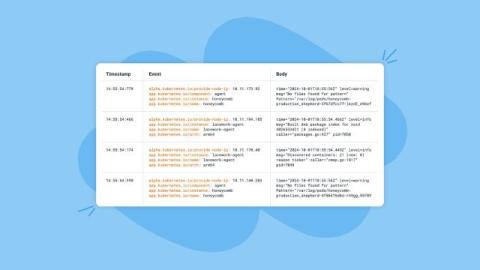
It’s very popular to push logs, in a formatted way, to the console output of an application (sometimes referred to as stdout). Although using a push-based approach like OTLP over gRPC/HTTP is preferred and has more benefits, there are many legacy systems that still use this approach. These systems typically use a JSON output for their logs. So, how do we get these JSON logs into a backend analysis system like Honeycomb that primarily accepts OTLP data?

OneFootball Scores an Observability Goal with Honeycomb

For football fans worldwide, staying connected to their favorite teams, players, and matches is a passion—and OneFootball delivers exactly that. The platform is a one-stop shop for football fans to follow their teams, get up-to-date information, and immerse themselves in global football culture. With over 100 million users spanning multiple continents, OneFootball is an essential companion for fans to track live scores, player stats, breaking news, and more.

Beyond Monitoring: A Guide to Cloud Observability

Many businesses rely on cloud infrastructure to power their software solutions. The cloud today makes it easier than ever to create services and components, increasingly the complexity of software. With more and often smaller processes, cloud-native architectures have driven the need for better insights into our software—a way to look into how these processes fit together.

There Is Only One Key Difference Between Observability 1.0 and 2.0

We’ve been talking about observability 2.0 a lot lately; what it means for telemetry and instrumentation, its practices and sociotechnical implications, and the dramatically different shape of its cost model. With all of these details swimming about, I’m afraid we’re already starting to lose sight of what matters.