The colocation data center is a type of service where organizations can rent out space in a data center facility to house their IT infrastructure. These facilities provide the power, cooling, and network connectivity that companies require to operate their servers, storage devices, and applications. Colocation services allow companies to reduce costs and avoid the hassle of building and maintaining their data center facilities.
At first glance, this may appear counterintuitive. After all, aren’t public clouds lauded for their scalability, flexibility, and cost-efficiency? However, a closer examination reveals a more nuanced reality. This article delves into the driving forces behind cloud repatriation, helping you determine whether it might be the right fit for your organization.
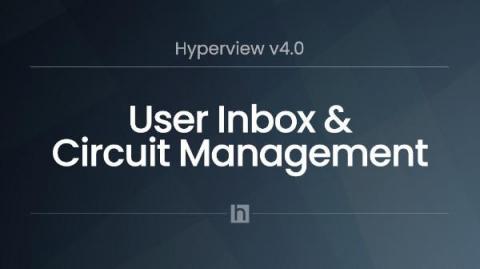
As we enter the new era of 4.0, we are thrilled to introduce a range of fresh and user-friendly features. Take a peek into your brand new User Inbox, a centralized hub for all your notifications. Explore the enhanced Connectivity add-on with Circuit Management, allowing you to conveniently bundle your connections. And for those managing multiple outlets, get ready to experience the upgraded Outlet Control functionality that will surely delight you.
Using real-time asset tracking, data centers can identify the exact location of any given asset at any given time. This can be extremely useful in ensuring that available resources are optimally utilized. For instance, understanding the current status and location of servers, racks, and other hardware can streamline maintenance operations and reduce downtime.
DCIM is not a static field, but rather a dynamic one that evolves with the changing needs and challenges of data center operations. In this article, we will explore the top 5 trends that are shaping the future of DCIM software and how they can benefit data center operators and users.
Data centers are the backbone of the digital economy, hosting the servers, networks, and software that power the internet and cloud services. Data centers consume a lot of electricity, accounting for about 1% of the global energy demand in 2019. As AI becomes more widespread and complex, data centers will need to upgrade their hardware and infrastructure to meet the growing demand for AI processing. This will increase the cost of operating data centers in several ways.
Perpetual licensing: This is the traditional model where you pay a one-time fee to use the software indefinitely. This fee often includes initial technical support and updates for a limited period, typically one year. After this, you may need to purchase additional support or updates separately. Subscription licensing: In contrast, subscription licensing involves periodic payments (often monthly or annually) for the duration of use.
ROI is a standard business metric calculated by comparing the benefits (or returns) of an investment to the cost of the investment. The higher the ROI, the greater the benefit compared to the cost. But in the case of DCIM software, it’s important to understand that returns aren’t always direct financial gains. They can also include benefits like improved system reliability, greater operational efficiency, and a smaller environmental footprint.
This blog post provides an in-depth overview of these options and outlines strategies for optimizing data center efficiency, the role of AI-powered analytics, and important security measures to consider when choosing a DCIM solution.