Operations | Monitoring | ITSM | DevOps | Cloud

The Impact of Digital Transformation in Telecom

The telecom industry is at the forefront of digital transformation, driven by rapid technological advancements, evolving customer demands, and an increasingly competitive market. Digital transformation in telecom is not just about adopting new technologies; it’s about redefining business models, enhancing operational efficiency, and improving customer experience.
Buying an Inventory Tagging System: What You Should Know

An inventory tagging system is essential for businesses to track and manage stock efficiently. By attaching unique tags or labels to each item, companies can maintain accurate inventory data, reduce errors, and improve overall efficiency. This ensures seamless order fulfillment and prevents stock shortages or overstocking, which can impact business operations.

The Shift to Proactive IT Management: How Infraon Leads the Way

For years, businesses relied on a reactive IT management approach, also known as the break-fix model—only addressing problems after they occurred. This method often led to unpredictable downtime, rising costs, and a struggle to scale with growing business needs. Without proactive monitoring, issues could escalate, causing major disruptions.

Workato vs MuleSoft: Which Automation Tool is Suitable?

In today’s fast-paced business world, automation tools are essential for streamlining workflows and boosting efficiency. Workato and MuleSoft are two leading solutions offering unique features to meet diverse business needs. Whether you’re looking for easy integration or advanced customization, we at Infraon firmly believe that choosing the right tool can make all the difference.

SaaS Subscription Management: A Detailed Guide

SaaS subscription management is all about software companies’ tools and processes to handle billing and customer relationships throughout the customer journey. It goes beyond basic recurring billing by supporting more complex pricing models, helping businesses manage subscriptions more effectively. In today’s market, subscription management has become a must-have for companies offering software as a service (SaaS), especially in the USA, where the subscription-based business model is booming.

What Is Enterprise Service Management (ESM)?

Enterprise Service Management is a strategic approach to extending IT Service Management ITSM principles beyond IT departments to other business functions such as HR, finance, facilities, and customer service. Organizations adopting ESM software aim to create a unified service delivery model that improves collaboration, efficiency, and overall operational performance.

Comparing Open-Source vs. Proprietary ITSM Platforms

Efficient IT Service Management (ITSM) is essential for organizations to manage their IT infrastructure, streamline operations, and improve service delivery. ITSM platforms are the backbone of these efforts by providing tools for incident management, service requests, asset tracking, and more. ITSM platforms help organizations maintain high operational standards while ensuring seamless interaction between the IT teams and other business units.

Authentication Vs Authorization: 5 Key Differences

In today’s widely interconnected world, protecting sensitive information and ensuring secure access to data and systems is crucial. Two fundamental concepts underpinning modern security networks are authentication and authorization. These are often used interchangeably. These terms represent distinct processes that serve different purposes in securing our digital assets from fraud. Authentication defines verifying an individual’s identity to ensure they are who they claim to be.

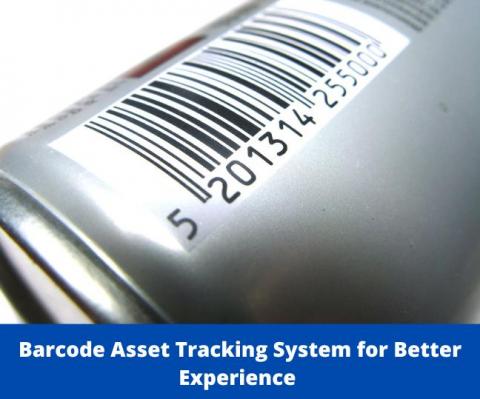
Barcode Asset Tracking System for Better Experience

What’s the first thing that comes to your mind when you think of assets? For most people, assets are the most expensive possessions, like a house or other kinds of investments. But, for a business leader like you- they can be assets such as sophisticated infrastructure, machines, equipment, or vehicles. However, owning assets is not a big deal, but effectively carrying out the task of asset tracking can be; as it is crucial for any company to develop an infrastructure with a long lifespan.

How Financial Institutions Can Maximize the ROI of IT Assets

In the financial sector, managing IT assets can present a complex set of barriers due to the industry’s complexity and regulatory demands. Management strategies can greatly enhance the Return on Investment (ROI) of these assets. After all, the financial industry operates in a highly regulated environment that demands rigorous oversight and compliance. The range of IT assets, from hardware to software, requires a structured approach to management.