Operations | Monitoring | ITSM | DevOps | Cloud

The Next Phase of Technology Will Be Built Around Real-World Data

The internet gave machines access to what people have written, photographed, watched and built. That created systems able to summarise documents, generate software and reproduce visual styles. It is not enough for a machine that must understand a changing street, hospital room, factory line or electricity grid. The next phase will depend on data produced by physical activity. Sensors will capture it, edge devices will process it and models will act on it. The challenge is turning imperfect signals into useful, traceable and safe decisions outside a controlled demonstration.


The Technology Behind the Rapid Growth of On-Demand Home Services

A leaking pipe may look like a simple booking problem. For the platform receiving the request, it is a live decision problem involving diagnosis, skills, distance, time, price, identity, risk, and incomplete information. The rapid growth of on-demand home services did not come from placing a calendar inside an app. It came from making field work machine-readable enough to classify, optimize, monitor, and improve.

8 Skills Every IT Professional Should Learn Before Managing a WordPress Website

Website management involves far more than publishing pages or updating text. Security risks, plugin conflicts, slow performance, and poor user experience can affect business goals when technical skills fall short. A strong knowledge base helps IT professionals maintain stable, secure, and efficient websites while reducing avoidable issues.

Toil at Home: What Operations Thinking Teaches Us About Daily Routines

Operations teams have a precise word for a specific kind of work: toil. It describes tasks that are manual, repetitive, automatable, tactical rather than strategic, and that scale linearly with growth. Toil produces no lasting value. Every hour spent on it has to be spent again tomorrow. The reason the concept is useful is not that toil is difficult. It is that toil is invisible in the metrics that matter to management, so it accumulates quietly until people burn out.

Digital Finance Perks That Can Benefit New Investors

Investing used to come with a high price of entry, not just financially, but in terms of knowledge, access, and the right connections. The rise of fintech has changed that equation considerably, opening up tools and services that were once reserved for high-net-worth clients or institutional traders.

10,000+ services and counting: the biggest monitoring catalog anywhere

StatusGator now monitors more than 10,000 services. Cloud platforms, AI tools, payment providers, communication apps, developer infrastructure, school software, business SaaS: if your team depends on it, there is a good chance we are already checking its status page. We started in 2015 with a few hundred providers and one idea, that nobody should have to keep multiple vendor status pages bookmarked to find out why the office suddenly cannot log in.

Observe Opaque Services With OpenTelemetry eBPF + proxymock

Every SRE team operates services it cannot see into: a vendor binary, an inherited legacy deployment, a container whose owning team dissolved two reorgs ago. The routes are undocumented, the dependencies are unknown, and when a request takes 130 milliseconds nobody can say whether that time is application work or a wait across a network boundary.

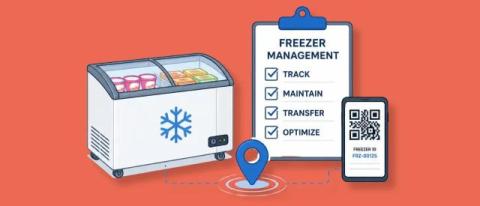
Freezer Management Software: How Food and FMCG Companies Track, Maintain and Control Freezers in the Field

For food and FMCG companies, managing freezers becomes more complex once equipment moves outside warehouses and company facilities. Freezers may be placed at supermarkets, retail stores, restaurants, distributors, convenience stores, and other customer locations, often across hundreds of cities or territories. At that scale, spreadsheets and manual field checks make it difficult to answer basic operational questions. Where is a particular freezer? Which outlet is responsible for it?

Icinga Director: Targeted Health Checks and Sync Rule/Import Source Deletes from CLI

Icinga Director’s CLI commands have supported import sources and sync rules for a long time, which includes listing, checking and running them. Before Icinga Director v1.11.6 two things you couldn’t do from the CLI, though, were narrowing a health check down to a single object, or deleting an import source or sync rule without opening the web UI. I’ll walk through both, using examples.