The latest News and Information on Containers, Kubernetes, Docker and related technologies.
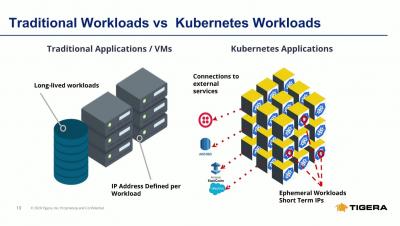
The reasons to move to Kubernetes are many and compelling. This post doesn’t make the case that you should migrate, but assumes you have already decided that you want to. When you’re clear on what you want to do and why you want to do it, the questions of “When?” and “How?” become your focus. What follows centers on the question of how to approach making Kubernetes the platform on which your workloads thrive.
Apache Flink is an open source framework, written in Java and Scala, for stateful processing of real-time and batch data streams. Flink offers robust libraries and layered APIs for building scalable, event-driven applications for data analytics, data processing, and more. You can run Flink as a standalone cluster or use infrastructure management technologies such as Mesos and Kubernetes.
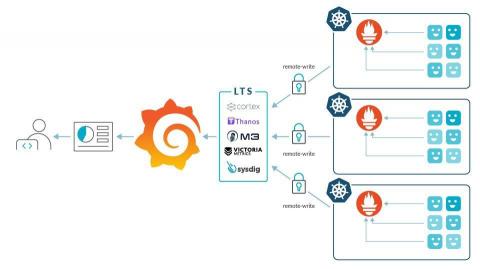
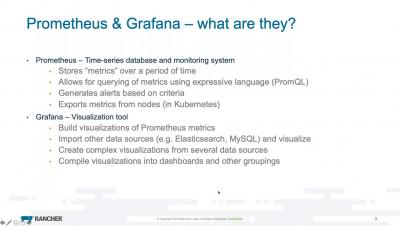
This article will cover the most common challenges you might find when trying to use Prometheus at scale. Prometheus is one of the foundations of the cloud-native environment. It has become the de-facto standard for visibility in Kubernetes environments, creating a new category called Prometheus monitoring. The Prometheus journey is usually tied to the Kubernetes journey and the different development stages, from proof of concept to production.
Runtime security for Rancher environments requires putting controls in place to detect unexpected behavior that could be malicious or anomalous. Even with processes in place for vulnerability scanning and implementing pod security policies and network policies in Rancher, not every risk will be addressed. You still need mechanisms to confirm these security barriers are effective and provide a last line of defense when they fail.
IAM is the de-facto method of authorization in AWS. Most Kubernetes “Quick Start” guides for AWS do not adequately cover how to manage IAM access in your pods. This blog series will first go over the security issues specific to AWS IAM on Kubernetes, then compare solutions, and then end with a detailed walkthrough for setting up your cluster with one of those solutions.