Operations | Monitoring | ITSM | DevOps | Cloud

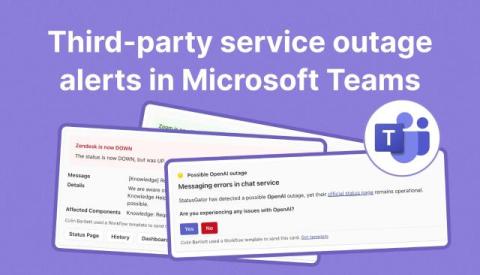
Get Third-Party Outage Alerts in Microsoft Teams with StatusGator

When your company depends on dozens of SaaS tools, such as AWS, Atlassian, Zoom, or Microsoft 365, any cloud outage can ripple through your entire operation. The faster your team learns about an external service disruption, the faster you can respond. With StatusGator’s Microsoft Teams integration, your team can receive real-time third-party outage alerts in Microsoft Teams. The service also includes Early Warning Signals that detect potential issues before providers officially announce them.
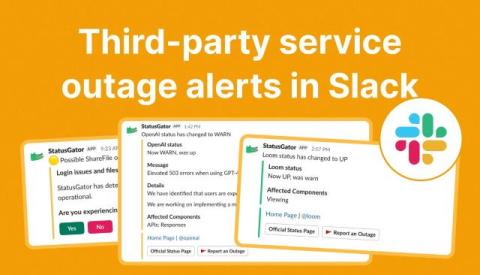
Get Real-Time Third-Party Service Outage Alerts in Slack with StatusGator

When your team relies on multiple SaaS tools, even a small outage in a third-party service can disrupt workflows, slow down projects, and frustrate customers. Knowing about issues the moment they happen, and even before they’re officially reported. That’s where StatusGator’s Slack integration comes in. With StatusGator, you can receive real-time service status alerts in Slack.

Azure status integration is here!

We’re thrilled to announce the launch of our Azure status integration, bringing Microsoft Azure’s real-time service health and incident data directly into your StatusGator dashboard and status page. With this new integration, StatusGator automatically imports Azure outages and service status updates from your Azure subscription — giving you a complete, centralized view of your cloud infrastructure alongside every other service you monitor.

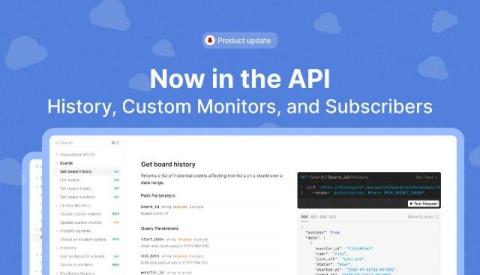
Now in the API: History, Custom Monitors, and Subscribers

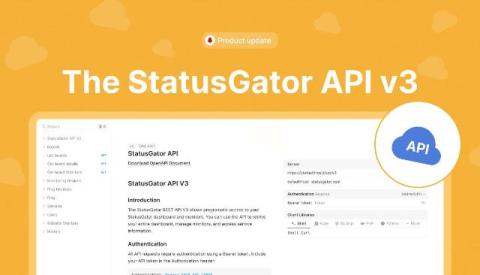
Last month, we introduced the StatusGator API v3, a complete overhaul of our API designed to give developers more flexibility, an improved data model, and deeper integration options for monitoring the status of hundreds of services. Today, we’re excited to share three major additions to v3: the Board History API, Custom Monitors API, and Status Page Subscribers API.

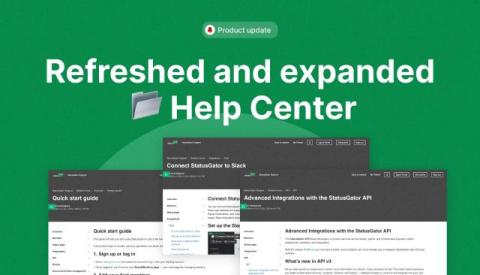
We've refreshed and expanded the StatusGator Help Center

We’re excited to share a major update to the StatusGator Help Center — redesigned to make finding answers and learning new features faster and easier than ever. We’ve reorganized our documentation, added new guides, and improved formatting so you can navigate with ease — whether you’re just getting started or managing advanced integrations.

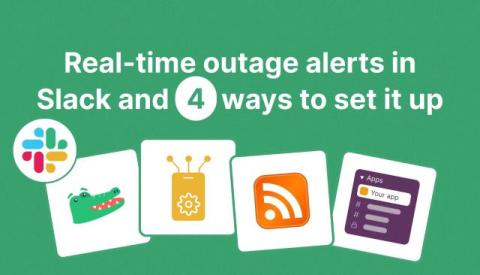
Real-Time Outage Alerts in Slack and 4 Ways To Set It Up

When a third-party service you depend on goes down, every minute counts. The sooner your team knows about the outage, the faster you can respond and reduce downtime. Since most IT and operations teams live in Slack, it makes sense to receive real-time outage notifications directly in Slack channels where you already collaborate. There are several ways to do this, from integrating an all-in-one status page aggregator like StatusGator, to setting up RSS feeds or building your own Slack app.

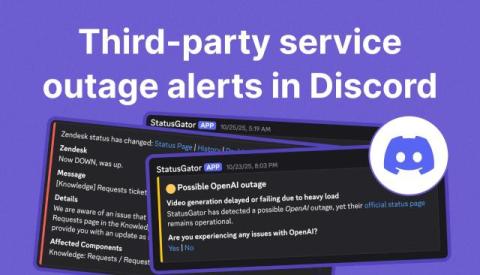
Get Third-Party Outage Alerts in Discord with StatusGator

When SaaS tools go down, teams need fast, reliable alerts right where they communicate. Now, with the StatusGator integration for Discord, you can receive real-time third-party outage alerts directly in your server. Whether you’re monitoring the status of AWS, Slack, GitHub, or Google Workspace, StatusGator keeps your team informed instantly when disruptions happen.

September product updates

September was a busy month at StatusGator! We rolled out several major updates designed to give you more visibility, better integrations, and deeper control of your monitoring workflows. From new Early Warning Signal integrations to AWS Health support — plus our biggest API release yet — here’s a quick recap of everything we shipped last month.

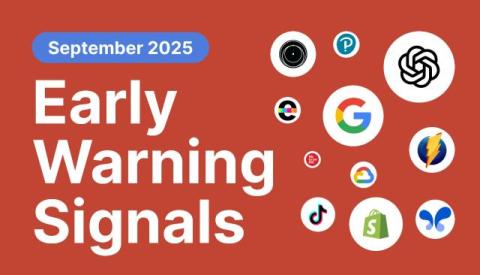
September 2025 - Early Warning Signals

In September 2025, StatusGator Early Warning Signals identified dozens of outages across cloud, fintech, and education platforms. Many of these incidents were detected before providers acknowledged them — and in some cases, without any acknowledgment at all. We’ve highlighted several of the most significant outages as featured incidents, followed by a list of additional disruptions reported throughout the month.