Operations | Monitoring | ITSM | DevOps | Cloud

Monitoring OAuth 2.0 Client Credentials Flows in Web APIs

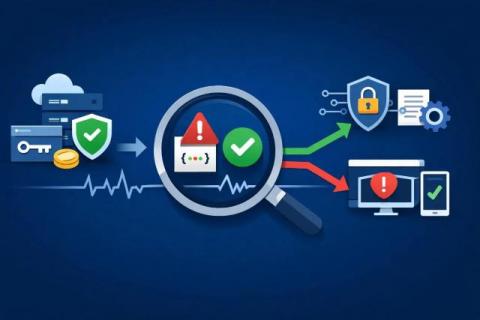
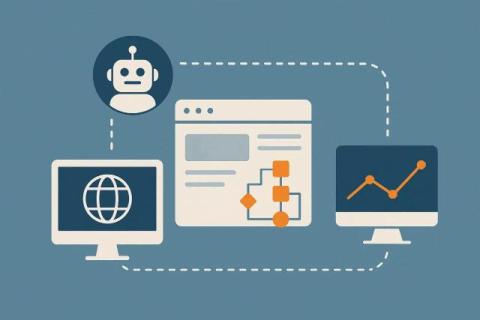
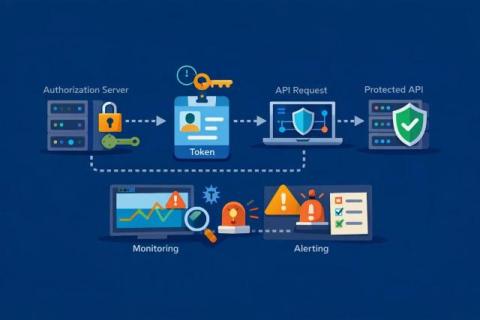
OAuth 2.0 client credentials flows are a core mechanism for machine-to-machine API authentication. They enable background jobs, microservices, and system integrations to securely access APIs without user interaction. However, while most teams spend time configuring these flows, far fewer ensure they are continuously monitored in production. This creates a critical blind spot: OAuth failures often surface only after dependent services begin failing.
Authorization Code Flow & redirect_uri_mismatch Errors: Monitoring & Fixing

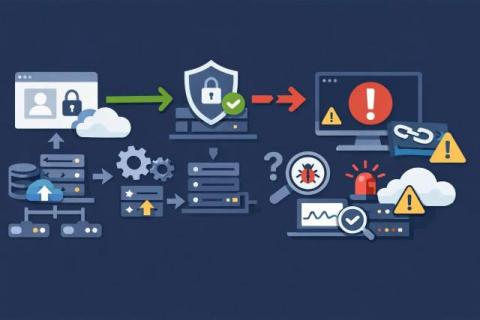
If you’ve implemented OAuth 2.0 using the Authorization Code Flow, chances are you’ve encountered the redirect_uri_mismatch error at least once. It’s one of the most common (and most misunderstood) OAuth failures teams face when integrating authentication into web applications. On paper, the error is simple. The authorization server compares the redirect URI sent in the request with the redirect URIs registered for the application.

JSONPath & JSON Validation for Web API Monitoring Assertions

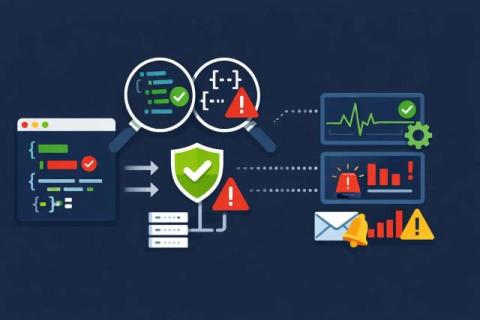
Most API monitoring setups still rely on a narrow definition of success: Did the endpoint respond, and did it return a 200 status code? While availability is essential, it’s no longer enough for modern, API-driven systems. In real production environments, APIs frequently return successful HTTP responses with incorrect or incomplete payloads. Authentication endpoints may issue tokens missing required fields. Business-critical APIs may return empty objects instead of valid data.

Online HTTP Clients vs Web API Monitoring: When Each Makes Sense

When teams talk about online HTTP clients, they’re usually referring to quick, browser-based ways to send requests, especially HTTP POST requests, without standing up local tooling or infrastructure. These tools are popular for good reason. They make it easy to submit payloads, test headers, and inspect responses in real time. For developers, QA engineers, and DevOps teams, they’re often the fastest way to answer a simple question: Does this request work?

Monitoring JWT Tokens & OAuth Token Endpoints: How to Catch Authentication Failures Before APIs Break

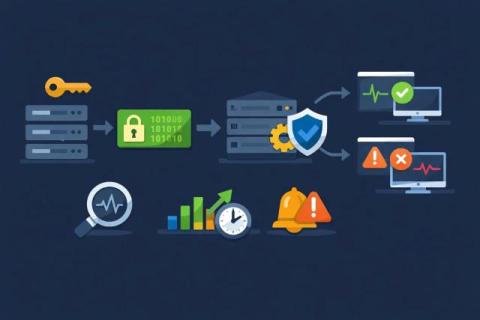
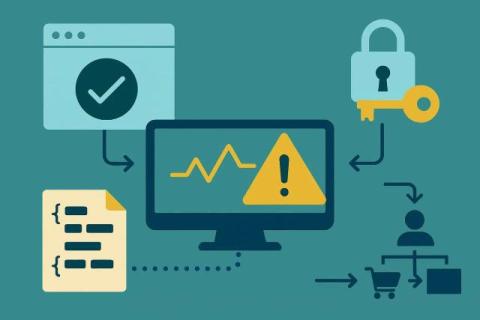
Modern APIs rarely fail because the application logic is down. More often, they fail because authentication breaks upstream, silently. OAuth token endpoints and JWT-based authentication sit at the front of nearly every protected API. When they degrade, misconfigure, or stop issuing valid tokens, every dependent API call fails, even if the API itself is healthy.

Monitoring OAuth 2.0 & Secure Web API Authentication Flows

OAuth 2.0 is often treated as a solved security problem; configured once, then forgotten. In reality, OAuth-based authentication is one of the most fragile dependencies in modern API ecosystems. When OAuth breaks, APIs don’t just degrade gracefully; they often fail completely. For DevOps and engineering teams, OAuth 2.0 authentication sits before application logic, before business rules, and before observability inside the service itself.

API Testing vs Web API Monitoring: Postman, Online Tools, and WebView

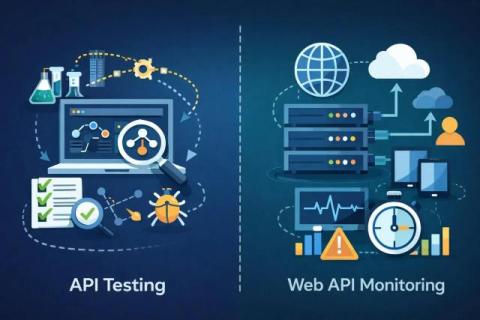
APIs sit at the core of modern applications. They power mobile apps, connect microservices, and enable third-party integrations, making them critical to performance, reliability, and revenue. That’s why most teams invest heavily in API testing tools like Postman, automated test suites, and online API testers. And yet, production outages still happen. This disconnect (“our APIs were tested, so why did they fail?”) is where confusion between API testing and Web API monitoring begins.

Engineering robust monitoring scripts using advanced synthetic monitoring software

Synthetic monitoring evolved from simple uptime checks to a complex technical field in modern digital operations. The real challenge for organizations that use synthetic monitoring software isn’t implementing the monitoring; it’s writing scripts that stay accurate, simple to maintain, and resistant to changes in the application.

From Postman Collections to 24/7 Web API Monitoring (Step-by-Step)

Postman API test automation is a critical part of modern API development. Teams rely on Postman collections, scripts, and automated tests to validate endpoints, catch functional issues early, and ensure APIs behave correctly during development and CI/CD pipelines. But as APIs move into production, test automation alone leaves important gaps.

A 2026 essential features checklist for choosing the best synthetic monitoring tools

Advanced synthetic monitoring has become an essential for any strong digital plan, not simply a nice-to-have feature. Our reasoning is because users expect websites and apps to work well all the time. As we approach 2026, the top synthetic monitoring solutions have greatly improved, going from just checking if a service is online to ensuring a complete and positive digital experience.

How Advanced Synthetic Monitoring Ensures Compliance and 24/7 Uptime in Financial Services

Advanced synthetic monitoring has gone from being a technical convenience to a regulatory and operational necessity in today’s dynamic financial services ecosystem, where there is no scope for error. Traditional uptime testing just checks to determine if systems are accessible.

Top Synthetic Monitoring Solutions for Enterprise DevOps Teams

Legacy monitoring creates dangerous visibility gaps in the accelerated enterprise DevOps landscape, where release cycles count in hours, not weeks. For teams managing hundreds of microservices, complex cloud-native architectures, and global user bases, basic synthetic monitoring tools simply cannot scale. The top synthetic monitoring solutions for enterprise DevOps must function not as mere observability tools, but as proactive, integrated safety nets engineered for scale, security, and precision.

How to Integrate App Synthetic Monitoring into Your CI/CD Pipeline for Flawless Deployments Meta Description:

In today’s age of continuous delivery, a failed deployment or a drop in performance can affect thousands of users in just a few minutes. Traditional testing happens before deployment, but what about after the code is live? This is where app synthetic monitoring becomes a critical part of your CI/CD pipeline. Integrating synthetic monitoring into CI/CD transforms your pipeline from a simple delivery mechanism into a proactive quality and performance gatekeeper.

The Ultimate Blueprint for Successful Synthetic Monitoring Implementation

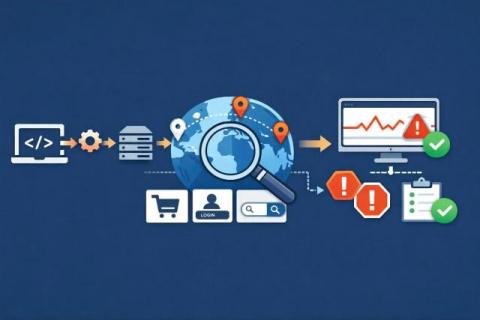
In today’s digital world, the performance of websites and apps has a direct effect on sales, customer satisfaction, and brand reputation. Synthetic performance monitoring provides the proactive intelligence needed to ensure your application is always performing optimally. By simulating real user interactions from global locations before issues affect actual users, you transform from reactive problem-solving to proactive performance excellence.

How to Monitor SSL Certificate Expiration - Complete 2025 Guide

Nowadays, it is very essential to keep your website secure. One of the simplest yet overlooked ways to protect your website is by monitoring SSL certificate expiration. Many website owners do not realise how quickly an SSL certificate expired. This can be damaging for the website. Imagine if you wake up in the morning and get to know that the red “Not SECURE” sign appears to the visitors. This is going to create a bad impression on the audience.

A Deep Dive into Synthetic API Monitoring

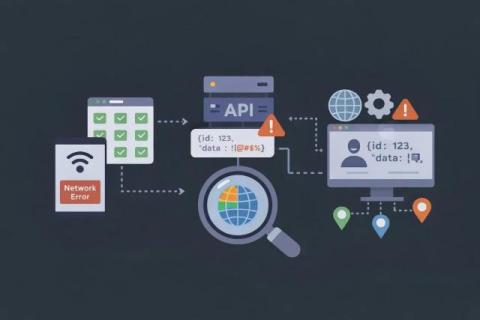
Consider this scenario: Your mobile app shows “Network Error” to 30% of users. Your dashboard shows that all of your servers are green. Your support team is quite busy. After four hours of feverish searching, you discover an issue. One of your 47 microservices is responding with a 200 OK status but returning malformed JSON that crashes client applications.

Synthetic Monitoring & WooCommerce: Detecting Hidden Failures

WooCommerce powers a massive portion of the internet’s commerce layer, largely because it looks simple. Install a plugin, connect Stripe, choose a theme, and suddenly WordPress becomes a store. That perceived simplicity is also what makes WooCommerce fragile in production. WooCommerce stores are not single systems.

Easy-to-Use SSL Certificate Management Tool: The Complete Guide

Managing SSL certificates can feel complicated for many teams. It often involves remembering renewal dates, keeping track of certificate details, ensuring that websites stay secure, and avoiding costly downtime caused by expired or invalid certificates. While many people call these solutions “SSL certificate management tools,” most organizations do not need a full PKI automation platform.

Synthetic Application Monitoring: Proactive Strategy to Prevent Downtime

Imagine this: It’s three in the morning on Black Friday. Your phone appears with alerts, your online store’s checkout isn’t functioning properly. Your team is in a panic, sales are dropping by the minute, and social media is full of complaints from your clients. Determining that the problem is an expired third-party payment gateway means you’ve lost hours of sales and your customers’ trust.

Mobile App Synthetic Monitoring enables proactive testing across devices and networks

In the mobile-first digital economy, your application’s performance is your brand’s frontline. Your backend is fast. Your APIs respond in milliseconds. Yet, somewhere on a slow network in a bustling city center, a user is staring at a frozen login screen. This scenario highlights a critical truth. App synthetic monitoring is the proactive discipline of simulating real user interactions—like app launches, logins, searches, and checkouts—from real devices and networks worldwide.

.NET Web API Monitoring: REST, ASP.NET & WCF Compared

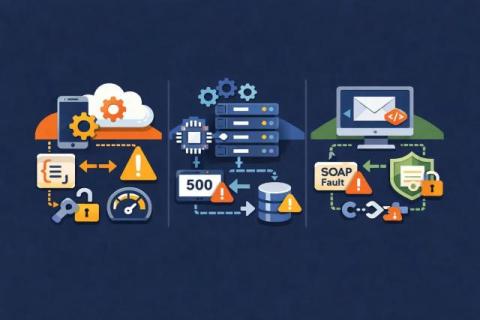
Modern.NET applications rely on three primary Web API architectures: lightweight REST APIs, middleware-driven ASP.NET Core Web APIs, and contract-heavy WCF SOAP services. Each exposes functionality over HTTP, but each behaves very differently in production. More importantly, each architecture fails in different ways, which means teams must monitor them differently to maintain reliability, uptime, and predictable performance.

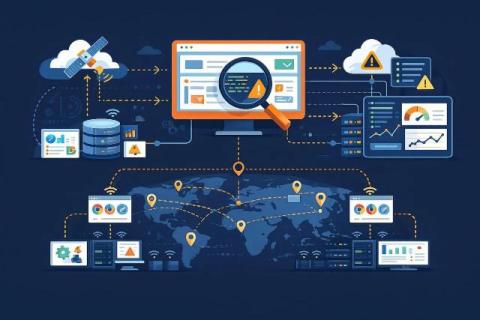
Synthetic End User Monitoring simulates complex user journeys across global environments

Traditional monitoring solutions provide valuable infrastructure metrics, they fundamentally lack the capability to understand what users actually experience. There is a significant technical gap between server-side metrics and client-side experience. Research shows that traditional monitoring fails to detect 52–68% of user-facing errors since they happen outside of the server infrastructure.

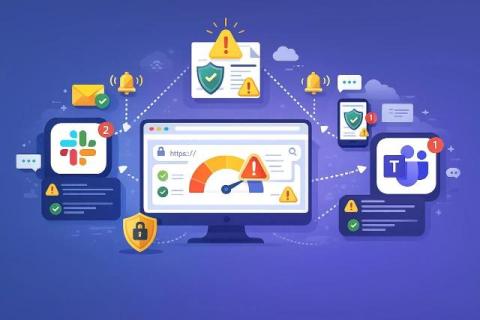
Best Certificate Monitoring Solutions With Slack/Teams Integration: The Complete Guide

SSL certificates expire silently. When they do, websites instantly break. Users see warnings. Traffic drops. Security trust is damaged. This is why businesses now rely on certificate monitoring solutions that send alerts before a certificate expires. A growing number of teams want these alerts directly inside Slack or Microsoft Teams, because that’s where their operations already work every day.

Complete web Performance Strategy with Web Synthetic Monitoring

You’ve optimized your code, implemented caching strategies, and configured your CDN perfectly. Your analytics dashboard shows respectable load times, and your development team reports everything is running smoothly. Yet, conversion rates remain stagnant, bounce rates climb during peak hours, and your competitors consistently outperform you in user experience metrics. What’s missing?

Let's Encrypt 45-Day Certificate Expiration: Monitoring & More

The move by Let’s Encrypt from 90-day certificates to 45-day certificates is more than a policy shift. It changes how teams must manage renewals, detect failures, and validate that certificates are deployed consistently across distributed systems. A shorter lifecycle compresses the margin of error. Automation that previously limped along unnoticed now breaks on a far tighter schedule. And every misconfiguration hits users faster.

Why Web Synthetic Monitoring essential for Modern Web Performance

Your analytics dashboard is green, which indicates that your application is up 99.9% of the time, pages load in under three seconds on average, and conversion rates are stable. But here’s the uncomfortable reality, you’re probably missing 40% to 60% of the actual performance problems which impact real customers every day.

HTTP API vs REST API vs Web API: Architectures & How to Monitor Them

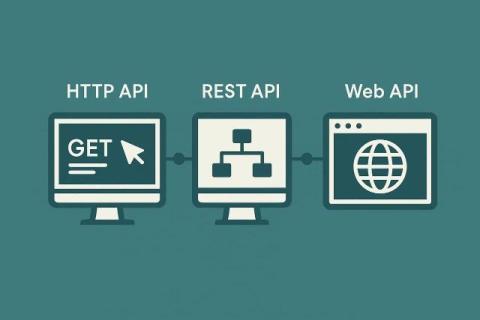
APIs power everything. From login flows to checkout systems to internal microservice communication. But as teams scale, so does the confusion around the terminology: HTTP API vs REST API vs Web API. Many articles treat these as interchangeable, but the differences are real, and they affect reliability, performance, caching behavior, authentication flows, and ultimately how you monitor your endpoints.

Secure SSL Monitoring Software: A Complete Guide to Safe & Automated Certificate Management

Secure SSL monitoring software has become essential for every business that depends on websites, web applications, APIs, or cloud services. With increasing security threats, expired certificates, and hidden configuration mistakes, companies need reliable tools to ensure their SSL certificates stay valid, updated, and fully compliant. The right monitoring solution helps avoid service outages, failed transactions, and data breaches caused by unmanaged or forgotten certificates.

SSL Certificate Management: A Complete Guide to Monitoring SSL Expiry, Validity & Certificate Health

Managing SSL certificates is essential for maintaining trust, security, and uptime across any website or online service. While many people think SSL certificate management refers to renewing or issuing certificates, one of the most critical aspects,often overlooked,is monitoring certificates for expiry, validity, and unexpected changes. That’s the area where monitoring platforms provide their highest value.

Ultimate Guide to DevOps API Monitoring for Modern SaaS Teams

APIs form the operational backbone of SaaS platforms. They authenticate users, deliver application data, process transactions, and connect multiple services into a cohesive ecosystem. When an API slows down or fails, the impact is immediate: login delays, frozen dashboards, broken customer workflows, and degraded user experience. For DevOps teams, this means monitoring must go far beyond checking status codes.

How to Check SSL Certificate Expiration Date: Complete Guide to SSL Monitoring

SSL certificates are critical for securing websites, web applications, and APIs. They encrypt data in transit, verify server authenticity, and build user trust. However, SSL certificates have a limited lifespan, typically ranging from 90 days to one year. When a certificate expires, visitors encounter security warnings, some services stop working, and it can affect search engine rankings. Monitoring SSL certificate expiration is essential to maintain secure and uninterrupted online services.

Web API Sample Endpoints to Practice Monitoring & Testing

APIs rarely fail in isolation. They fail under load, during token refresh, when a dependent service slows down, or when a multi-step workflow breaks halfway through. And yet most engineers still test and monitor APIs using mock endpoints that behave nothing like the real thing.

Monitoring Client-Side Routing Frameworks: SPA, CSR & Hybrid

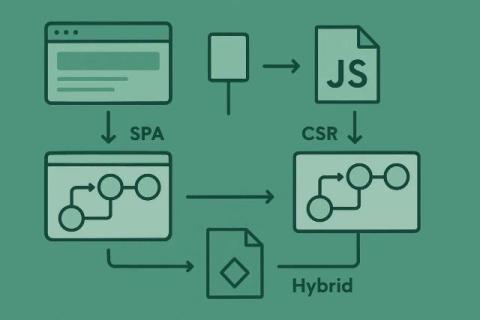
Modern web applications have shifted their center of gravity. The page is no longer the system— the runtime is. Frameworks like React, Angular, Vue, Next.js, SvelteKit, Remix, and Nuxt treat HTML as a bootloader, and the real application emerges only after hydration, routing, data fetching, and continual re-rendering. What users experience depends entirely on JavaScript execution, not static markup. Teams usually discover this shift when the UI appears to load but nothing works.

Browser Monitoring Software: A Complete Buyer's Guide for Modern Web Applications

Modern web applications rely on complex front-end frameworks, APIs, and third-party services to deliver seamless user experiences. Even minor performance issues—slow load times, broken workflows, or browser-specific errors—can lead to lost conversions, frustrated users, and reputational damage. Browser monitoring software provides IT teams, developers, and business stakeholders with visibility into application performance from the end-user perspective.

Key Metrics Your Browser Monitoring Software Should Track

Modern web applications rely on seamless user experiences, fast load times, and reliable performance across every device and region. Browser monitoring tools make these features possible by tracking how real web browsers interact with your site revealing issues long before users notice them. To ensure your monitoring setup captures everything that matters, here are the five essential metrics every browser monitoring solution must track.

How Browser Monitoring Tools Improve Application Reliability and End-User Experience

Browser monitoring tools, also known as Real User Monitoring (RUM) solutions, enhance application reliability and end-user experience by providing detailed, real-time visibility into how users interact with web applications. These tools track key performance metrics, identify front-end errors, and help development and DevOps teams detect and resolve issues that directly impact users before they escalate.

Top Browser Monitoring Features Every DevOps Team Should Prioritize in 2026

In 2026, digital performance is more critical than ever. Users expect web applications to load instantly, respond flawlessly, and support complex interactions without delay. For DevOps teams, this means browser monitoring is no longer optional—it’s a foundational capability for ensuring availability, speed, and reliability across modern web experiences.

How Browser Monitoring Tools Enhance Application Reliability & User Experience

Modern web applications are increasingly complex, with dynamic content, single-page apps (SPAs), APIs, and third-party integrations. For businesses, ensuring application reliability and a seamless end-user experience is critical. Poor performance can lead to customer dissatisfaction, revenue loss, and reputational damage. This is where browser monitoring tools and browser performance monitoring come into play.