Operations | Monitoring | ITSM | DevOps | Cloud

How to design the perfect SLA, SLO and SLM compliance dashboards

Service level metrics—SLA, SLO, and SLM—are game-changers, helping you unlock actionable insights, improve service reliability, and align your IT service efforts with business objectives. This webinar will explore how AI-powered analytics can help you proactively establish and monitor key service level metrics to drive your IT service performance to new heights.

New intuitive widgets and smart view pop-ups for dashboards in ServiceDesk Plus!

ITSM dashboards need to go beyond vanilla KPI metrics, transforming into workspaces that offer service desk technicians an operational overview, managers tactical insights, and executives a strategic snapshot for every aspect of your IT service delivery. With that in mind, we just introduced new intuitive dashboard capabilities in ServiceDesk Plus. Say hello to a data-driven and context-rich way to manage your tickets. Here’s what’s new.

Key metrics to monitor for optimal SQL Server performance

Microsoft SQL Server is a critical database component of many business applications, ensuring data integrity, fast query performance, and seamless transactions. However, maintaining peak performance requires proactive monitoring of essential metrics. In this blog, we’ll explore the key SQL Server performance metrics you should track and how they help prevent performance issues, optimize resource usage, and enhance database efficiency.

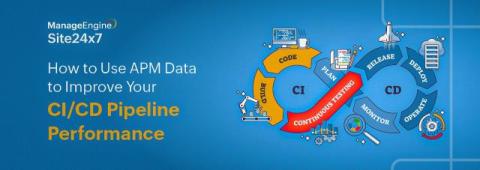
How to use APM data to improve your CI/CD pipeline performance

Agile production has become the norm for software development cycles. The backbone for such a fast-paced landscape is the continuous integration and continuous delivery (CI/CD) pipeline. But merely depending on the CI/CD pipeline isn’t enough, even though the automated workflows give you a competitive edge. The pipeline needs to be optimized to function at its best. This is where monitoring your applications within the pipeline can be a game-changer.

Learn about cloud waste and 6 effective ways to reduce it

Cloud waste occurs when cloud resources are unutilized or underutilized. Resource under-utilization occurs when more resources are procured than are actually needed by virtual machines (VMs) at runtime. Cloud providers continue to charge for these provisioned resources regardless of whether they are used or not, resulting in unchecked expenditure.

Navigating AWS policy changes in 2025: The role of CloudSpend in mitigating the impacts

AWS SP/RI policy changes In a significant move, AWS announced policy changes to the use of Reserved Instances (RIs) and Saving Plans (SPs), which are set to take effect on June 1, 2025. These changes are particularly crucial for MSPs, resellers, and other organizations that rely on shared RIs and SPs to manage cloud costs.

6 key steps to drive successful network automation in your enterprise

The complexity of modern networks has surged due to digital transformation, hybrid work models, and evolving security threats, making manual management increasingly unsustainable. Network automation addresses this challenge by streamlining operations and enabling networks to adapt and remain resilient in an ever-changing environment. A recent Gartner study predicts that by 2026, 30% of enterprises will automate more than half of their network activities.