


Operations | Monitoring | ITSM | DevOps | Cloud

Sponsored Post

"Proactive Insights for a Reactive World": What Makes Collective IQ Different for Business Leaders

From a business executive's perspective, the core question is not how many metrics a tool collects, but how clearly it connects technology to business productivity, cost, and risk. Dave Wagner summarizes this nicely: "if you're a business leader, what's really powerful about Collective IQ is it's not just technology metrics, it's productivity metrics."
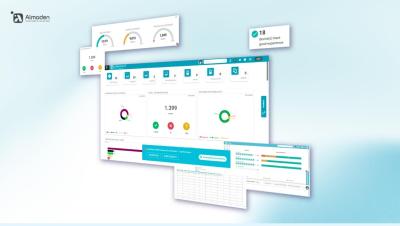
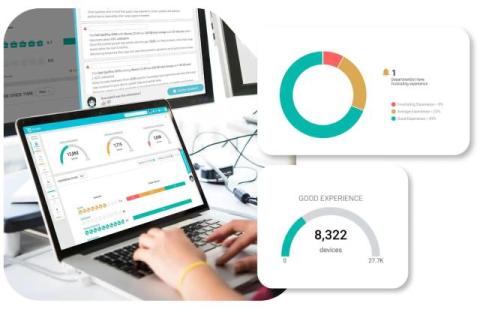
Collective IQ DEX: complete visibility into the employee digital experience

Collective IQ DEX (CIQ DEX) provides a unified view of the employee experience across different devices, locations, applications, collaboration tools, and even user sentiment. The platform combines intelligent IT asset analysis and employee perception, with drill-down capability to the level of each user and endpoint.

How Collective IQ Turns Reactive IT into Truly Proactive IT

Most IT organizations still operate in “firefighting” mode: an employee opens a ticket, the service desk investigates, depending on severity and complexity multiple teams or people are involved to diagnose, and then the appropriate person or team fixes the issue. The whole process then repeats for the next reported incident. This model doesn’t scale, drains time and budget, and leaves a huge number of issues unresolved because many employees simply don’t bother to report them.

From Dashboards to Conversational AI: The Evolution of UI in IT Products

The way IT teams interact with technology has changed dramatically over the years. From early text-based interfaces to today’s dashboards and now conversational AI, each stage has reshaped how we monitor, diagnose, and understand complex IT environments. But while dashboards gave us visibility, they often led to more questions than answers. In this post, we briefly explore the evolution of UI in IT products and how conversational AI is bridging the gap between data and understanding.