Operations | Monitoring | ITSM | DevOps | Cloud

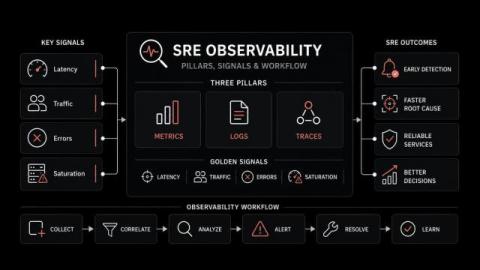
What is SRE Observability and Key Pillars You Should Know?

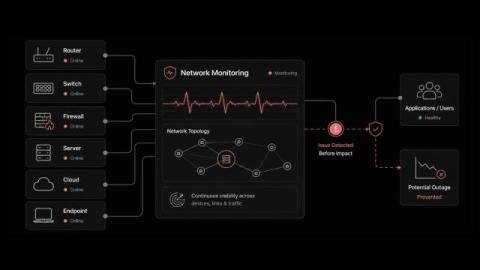
What happens when a critical service slows down, but nothing is technically “broken”? Most teams have monitoring in place. They know when something goes down. But when performance drops or issues spread across services, finding the real cause becomes slow and unclear. Engineering teams end up switching between dashboards, logs, and alerts just to understand what changed. This delays response and increases pressure on on-call teams. This is where SRE observability becomes essential.

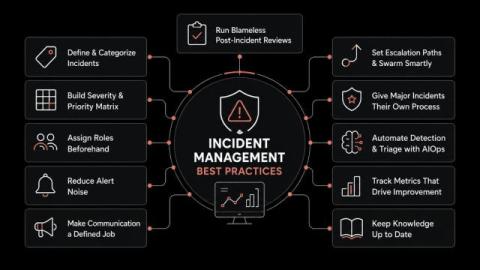
11 Incident Management Best Practices Every IT Team Should Follow

A well-defined incident management process can mean the difference between a minor disruption and a major business outage. When critical services fail, every minute of downtime matters. Yet many IT teams still face challenges such as unclear ownership, poor prioritization, communication gaps, alert fatigue, and manual processes that delay resolution. The result is longer outages, missed SLAs, and frustrated users.

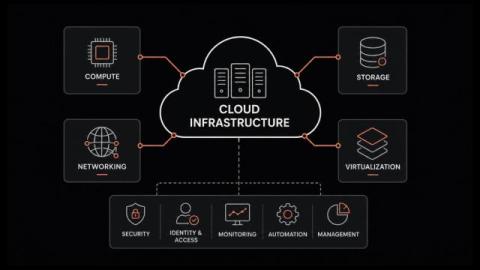
What is Cloud Infrastructure? Everything You Need to Know

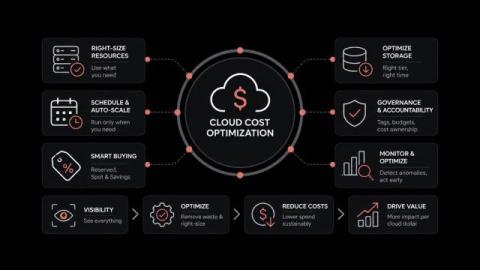
Modern businesses need infrastructure that can scale as quickly as their demands change. Yet many organizations still struggle with infrastructure that is costly to maintain, difficult to expand, and slow to adapt to new requirements. As applications, users, and data continue to grow, managing resources efficiently becomes increasingly challenging. Cloud infrastructure provides a more flexible approach.

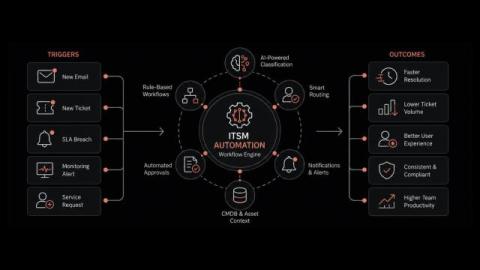
What is ITSM Automation: A Complete Guide for 2026

Repetitive work is what slows down most service desks, not a lack of people. Most IT teams spend their day handling repetitive work like password resets, ticket routing, access approvals, and standard service requests. This creates constant backlog pressure, slows resolution, and increases avoidable errors. Adding more people does not solve the underlying issue. ITSM automation addresses this by moving routine, rule-based tasks into automated workflows.

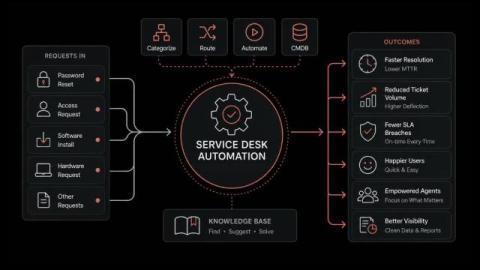
Service Desk Automation: What It Is and How to Get Started

How much of service desk work is problem solving and how much is repeat work that continues every day? Most service desks follow the same pattern daily. Password resets, access requests, software installs, approvals, and routine fixes keep coming in. These tasks are simple on their own, yet together they take most of the team’s time and push important incidents further down the queue. The main challenge is the constant flow of repeat work that reduces time for focused tasks.

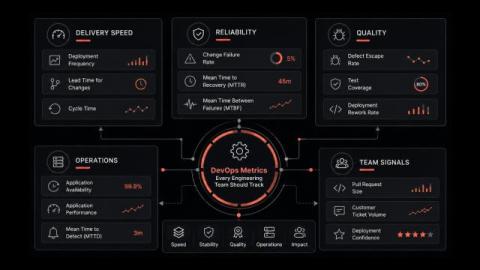
15 DevOps Metrics Every Engineering Team Should Track in 2026

Software moves from code to production more quickly today, but it is still difficult to tell whether delivery is actually improving or just becoming more active. Most teams rely on dashboards filled with metrics like deployments, uptime, failures, and tickets. The numbers are available, but the meaning behind them is often unclear. DevOps metrics become useful only when grouped into clear categories: DORA metrics cover only delivery speed and stability, which is just part of the picture.