Operations | Monitoring | ITSM | DevOps | Cloud

Secure Remote Access Software: Everything You Need to Know

Remote desktop software, also known as remote access applications or remote access software, allows you to remotely access and work on any computer from a remote location. Remote access applications are very useful in many situations, such as executing codes, troubleshooting computer problems, and managing your office network remotely from home. Basically, it requires software to be installed on the computer you want to connect to (commonly called the host).

What is ITSM? A Guide to IT Service Management

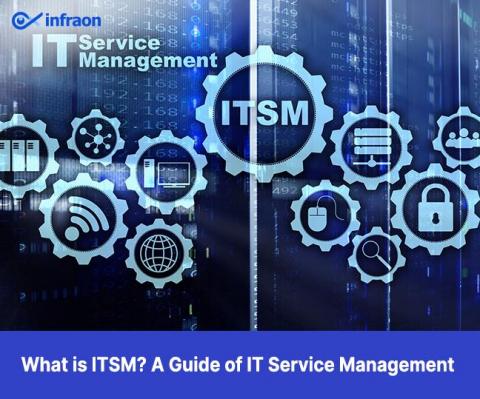
ITSM, or IT Service Management, is a holistic approach to managing and delivering technology-based services to an organization. It involves various aspects such as planning, designing, building, deploying, maintaining, and improving IT services to meet the needs of both internal and external stakeholders. The goal of ITSM is to consistently improve the quality and speed of service delivery and, ultimately, enhance customer satisfaction.

Hardware Inventory Management - A Complete Guide

Hardware inventory management is the process of tracking and managing the physical assets and equipment used in an organization. It involves identifying, counting, and maintaining records of all hardware items, such as computers, servers, tools, and other equipment. This includes monitoring the location, quantity, and status of each item, as well as keeping track of when items are added, removed, or replaced.

IT Operations Management (ITOM) Best Practices

IT operations have always served as the infrastructure’s watchdogs and first responders, but they now do much more. ITOps experts are incorporated into build/run product teams where they will share ownership and accountability with the development team, testers, and system administrators. What change might be the most challenging for an experienced ITOps professional? Production is no longer owned by IT. Today, development and the production environment work together.
Sponsored Post

Network Fault Management and Monitoring: Definition, Benefits, and Guide

Can companies afford to have network breakdowns or downtime in this digital-first era? No, they can't. With digital transformation taking place across industries and increasing expectations to stay connected wherever you are, companies need to up their game and ensure they provide uninterrupted network services and high performance. Therefore, understanding network fault management and monitoring - what they are, and the benefits of using a fault management system can help you manage your network more effectively.

Challenges and Trends of Asset Management in Energy Sector

As the renewable energy market continues to grow, companies need to invest in the long-term health of their green assets to keep them operational, generating new, cleaner energy. According to the allied market research, the global energy asset management market size was valued at $4.3 billion in 2021 and is projected to reach $12.4 billion by 2031, growing at a CAGR of 11.3% from 2022 to 2031.