Your IT infrastructure runs on servers, which makes them vital to the performance of your entire IT environment. therefore, it is essential to monitor your servers to ensure there isn’t any disruption in performance and uptime. Servers are devices or applications that can store, process and deploy resources to other devices, applications or users. Now that you know how important servers are to an IT environment, what happens if a server stops working?
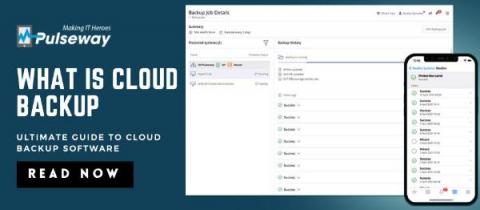
Cloud backup is the process of replicating data that is stored in a physical location and transferring it into a virtual, off-site cloud server for safekeeping in case of an unexpected incident or disaster. In other words, cloud backup is a service that businesses use to back up their systems, servers and data to a remote, cloud-based server.
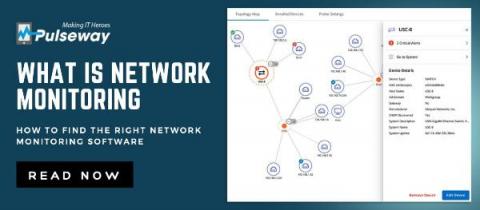
Network monitoring is the practice of making sure the network as a whole, functions optimally by keeping a watch over all endpoints of a network, which is the heart of any business’s routine functioning. Any discrepancy in the form of a breach or slowdown could prove costly. Proactively monitoring networks helps administrators identify and prevent any potential issues that could occur at any time.
MSP software enables Managed Service Providers (MSPs) to remotely manage their customer endpoints and IT infrastructure. MSP software can help IT teams proactively manage issues by troubleshooting and resolving them to ultimately improve customer IT functions and minimize expenses.
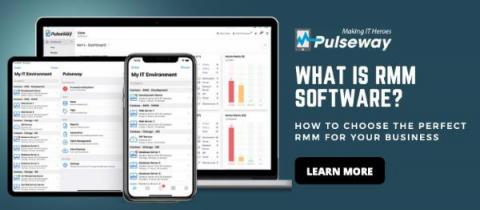
RMM stands for remote management and monitoring. As its name implies, RMM software allows you to monitor, manage and troubleshoot your IT environments without physically having to be there. In addition to full visibility of your network, RMM software also alerts you to any issues so you can quickly respond and maintain uptime.