Find the root cause of slow application experience
The increasing complexity of IT infrastructure and the move to the cloud make ensuring a great application experience difficult.


The reasons that cause applications to run slowly are many and varied. Narrowing down the cause behind any particular instance is time-consuming if the correct network monitoring tools are not in place. The delay in finding a root cause and fixing it always has a negative impact on users of the affected applications.
Ransomware is the gift that keeps on giving. Old as it is (33 years) ransomware is constantly morphing into new exploits. The reason is simple. Ransomware works and too often cybercriminals walk away with bags of money (or piles of Bitcoin, anyway). “Following the World Health Organization's AIDS conference in 1989, Joseph L. Popp, a Harvard-educated biologist, mailed 20,000 floppy disks to event attendees.
IT Infrastructure Monitoring (ITIM) tools like Progress’s own What’s Up Gold are the backbone of any IT Operations monitoring strategy. However, these tools are primarily focused on general purpose visibility across a wide range of infrastructure and systems with an emphasis on operational availability and performance.
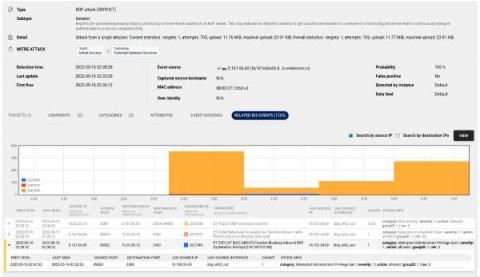
Network Detection & Response (NDR) is a key element that provides an additional level of security across the company wide network through detection of threats that bypass traditional security measures and materialize in the company’s digital environment. Progress Flowmon ADS (Anomaly Detection System) is a typical representative of an NDR system that combines various detection techniques to ensure that malicious activity is recognized and flagged as a security incident.
In the previous “Flowmon and WhatsUp Gold: Discover application experience issues through single pane of glass” blog post we have demonstrated how IT Infrastructure Monitoring (WhatsUp Gold) and Network Performance Monitoring & Diagnostics (Flowmon) work seamlessly together to report on application performance, user experience and infrastructure status.