
The Role of Automatic Gates in Efficient Commercial Operations
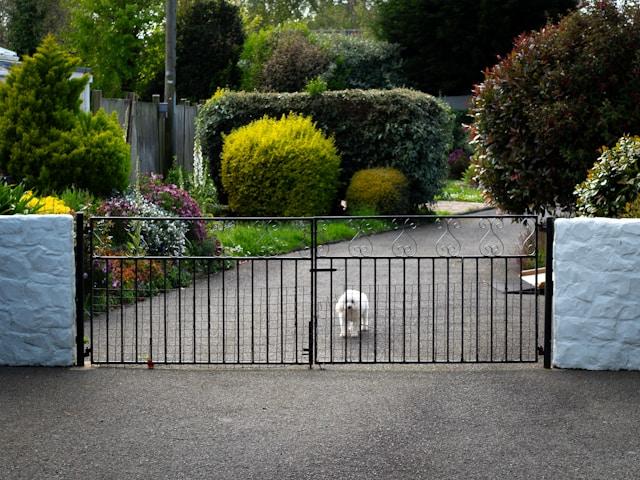
Managing a commercial property involves balancing many moving parts at once. Owners and managers must oversee site safety, traffic flow, and staff access daily. One of the most effective ways to streamline these tasks is through the installation of automated entry systems. These setups replace manual labor with reliable technology that works around the clock.
Improving Site Security
Security remains a top priority for any business owner with physical assets to protect. Standard fences only do so much if the entry point is left open or poorly monitored. Modern security gate solutions allow for better control over who enters the premises at any time. This setup ensures only authorized personnel can get through the perimeter without constant human oversight.
Manual gates often stay open during the day to save time for drivers. This creates a gap in your defense that unauthorized visitors can exploit. Automated systems solve this by closing immediately after a vehicle passes through. A report by Index Box notes that the commercial and industrial security segment is seeing growth because perimeter protection is critical for corporate campuses.
Boosting Operational Efficiency
Time is a valuable resource in a busy commercial environment. When drivers have to exit their vehicles to open a gate, it creates a bottleneck. This delay ripples through the entire supply chain, slowing down deliveries and departures. Automating this process removes the physical barrier to speed.
Research from Bid Group suggests that automating entry points helps businesses reduce wait times and congestion. This makes it much easier for vehicles to move smoothly in and out of the site. When every truck saves a few minutes at the entrance, the total daily gain in productivity is significant.
Managing Costs and Labor
Hiring a full-time guard to staff a gate is an expensive ongoing cost. While human presence has benefits, it is not always the most cost-effective way to manage a driveway. Machines do not require breaks or shift changes, meaning your entrance is always managed.
An industry study indicates that businesses can save up to 30 percent in operational costs by automating their gate systems. These savings come from reduced labor needs and better energy management. Over several years, the initial investment in the hardware often pays for itself through these lower monthly expenses.
Smart Technology Integration
Modern gates are no longer just heavy pieces of moving metal. They now feature advanced electronics that connect to the wider company network. This allows managers to monitor entry logs from a remote office or a smartphone.
- Remote monitoring via mobile apps
- Integration with existing alarm systems
- Automatic logging of vehicle license plates
- Scheduled locking and unlocking times
A recent look at the market by Intel Market Research found that over 65 percent of new installations now feature smart technologies like IoT connectivity. This level of data helps managers understand peak traffic times. You can use this information to plan staff shifts or delivery windows more accurately.
Reliability in High-Traffic Areas
Commercial gates face much more wear and tear than residential models. They must open and close hundreds of times a day without failing. Choosing the right mechanism is vital for long-term success. Sliding gates are popular for sites with limited space, while swing gates work well for wide openings.
Data from FnF Research shows that sliding door operators hold about 40 percent of the market share. This is largely due to how often they are used in high-traffic commercial entrances. Selecting a durable system reduces the need for frequent repairs. It also prevents the frustration of a gate getting stuck during a busy morning rush.
Market Trends and Growth
The adoption of these systems is increasing worldwide as technology becomes more affordable. More industries are realizing that manual entry is an outdated practice. From warehouses to retail hubs, the shift toward automation is clear in the latest financial data.
- Increased demand for touchless entry
- Better battery backup systems for power outages
- Faster motor speeds for quicker access
- Enhanced safety sensors to prevent accidents
The global market for automatic gate opening systems was valued at $4 billion in 2024. Projections from Research and Markets suggest this value will reach $5.7 billion by 2030. This growth shows that businesses are investing heavily in these solutions to stay competitive.
Supporting the Supply Chain
The logistics industry relies on precision and timing to keep customers happy. If a warehouse entrance is slow, it impacts the entire distribution network. Automated gates play a small but vital role in keeping these operations on schedule.
Roughly 70 percent of supply chain executives now use management systems and analytics to improve their work. Integrating gate data into these systems provides a complete picture of how goods move. It helps identify where delays happen so managers can fix them.
Choosing to automate your commercial entrance is about more than just convenience. It is a strategic decision that impacts security, labor costs, and daily productivity. By removing the friction of manual entry, you allow your team to focus on their core tasks. A well-installed system provides peace of mind and a professional look for any business. As technology continues to improve, these systems will become even more central to modern commercial success.