
The Role of Automated Traffic in Website Load Testing: Preparing for Real-World Surges
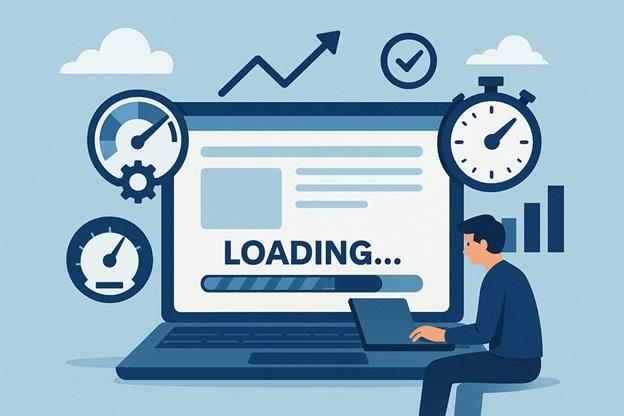
Imagine this: your site gets featured on a major news outlet, or you launch a big holiday promotion. Suddenly, thousands of visitors arrive all at once. Exciting, right? But if your website is not ready, that same surge can take it offline in seconds.
Automated traffic testing helps prevent this nightmare. By simulating large numbers of users before the real rush hits, businesses can spot weak points, fix them, and make sure their site performs when it matters most. It is not only about servers and speed. Reliable websites build customer trust, protect SEO rankings, and keep conversions flowing during peak demand.
What Automated Traffic Means in Load Testing
Automated traffic is simply the use of software to imitate visitors hitting your site. Instead of waiting for real users to show up, tools send thousands of requests that mimic normal behaviors like logging in, running searches, or checking out products.
Popular frameworks include:
- Apache JMeter for open-source load testing.
- Locust, which is Python-based and easy to scale.
- k6, known for being developer-friendly.
- BlazeMeter or LoadNinja, which add advanced reporting features.
Beyond these, platforms such as Searchseo.io offer practical bot traffic generation. They allow you to run tests that look much closer to real-world traffic. Instead of just raw hits, you can simulate keyword-driven visits, varied dwell times, and realistic click-through behavior.
Why Load Testing Is Essential
Surges are predictable, but still dangerous
We often know when to expect a flood of traffic: Black Friday, product launches, breaking news, or a viral campaign. But knowing does not mean surviving. If your servers choke, downtime translates directly into lost sales and lost trust.
Amazon once reported that every extra second of page load time could cost them about 1 percent of sales. For smaller companies, the damage can be even greater.
SEO is tied to performance
Downtime or painfully slow speeds hurt more than sales. They hurt SEO visibility too. High bounce rates, low dwell time, and frequent timeouts signal to search engines that your site is not reliable. Over time, that can cause a visible drop in website traffic.
Customer trust is fragile
If a checkout fails during a big sale, many customers will not come back. Reputation is much harder to rebuild than servers.
How Automated Traffic Helps You Prepare
Finding bottlenecks before customers do
Traffic bots can stress-test your site in a way that highlights hidden issues. Maybe your database queries slow down at scale, or session handling breaks when too many users log in. Automated testing surfaces these weaknesses before they damage real customer experiences.
Testing scaling strategies
Many businesses rely on cloud auto-scaling. But will those rules actually work under heavy demand? Automated traffic can confirm whether resources scale quickly enough to keep users happy.
Checking full user journeys
It is not enough for the homepage to load. Can customers still search, add items to their cart, and pay while thousands of others are doing the same? Automated traffic can simulate the entire process and make sure nothing falls apart under pressure.
Creating realistic scenarios
Advanced testing tools let you design traffic that feels real. That includes simulating seasonal keywords, global time-zone patterns, or different devices. Services like Searchseo.io are especially helpful here because they allow you to test SEO-sensitive patterns such as CTR manipulation, search-driven entry points, and realistic dwell time.
Best Practices for Automated Load Testing
- Start small, then scale up. Begin with a few hundred users, not millions. Increase gradually until you reach expected peaks.
- Track more than page speed. Look at server errors, database response times, CPU usage, and even CDN performance.
- Involve the whole team. IT, marketing, and product teams all need insights. Campaigns and new features should not break your site.
- Test well before big events. Do not wait until the week of Cyber Monday. Run tests weeks ahead so you have time to fix issues.
- Keep SEO in mind. A fast and stable site signals reliability to both search engines and users.
A Quick Real-World Example
Suppose you run an online ticketing site. A major artist announces a world tour, and you expect tens of thousands of fans hitting “buy” at the same moment.
If you have not tested, the site may crash within minutes, leading to angry customers and a PR disaster. If you have run automated tests, you already know your system can handle 100,000 simultaneous buyers. When the real surge arrives, the process runs smoothly, tickets sell, and your brand earns praise instead of criticism.
Trade-Offs to Consider
Automated traffic testing is powerful, but it comes with a few costs:
- Running large simulations can use bandwidth and resources.
- Designing realistic test flows takes planning and expertise.
- Poorly managed tests on live environments can impact real users.
Still, these are small trade-offs compared to the cost of an unplanned outage.
Strategic Benefits Beyond Testing
Load testing insights can help more than just IT teams.
- Content teams can plan around seasonal spikes and keyword surges.
- SEO specialists can run CTR manipulation campaigns with confidence that the site will handle the increased attention.
- Product teams can streamline user flows that slow down under pressure, improving the experience for everyone.
Strong Sites Win Big Moments
Automated traffic for load testing is not a luxury anymore. It is a necessity. Surges in traffic are inevitable, whether they come from marketing campaigns, viral moments, or seasonal demand. The question is whether your site will thrive or crash when it happens.
By preparing with automated traffic, businesses can spot weaknesses early, protect SEO rankings, and earn customer trust. When the big wave of visitors comes, your site should not just survive. It should deliver a smooth experience that leaves users impressed and ready to return.