
Risk Mitigation in Broadband Projects: A Project Manager's Guide
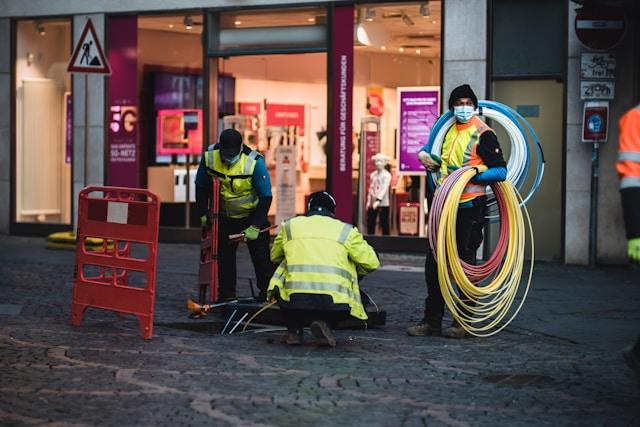
The project plan looked flawless, the timeline was airtight, and the budget was approved and padded. Yet, one overlooked permit sent the entire broadband rollout into a three-week tailspin. Sound familiar?
In broadband infrastructure, it’s not the major disasters that derail progress. It’s the death by a thousand paper cuts: delays, miscommunication, scope creep, and unexpected costs. Risk isn’t an occasional guest; it’s part of the team. But here’s the good news: you can manage it before it manages you.
Start with the Groundwork: Planning with Precision
Risk mitigation doesn’t start when things go wrong. It begins long before boots hit the ground. A comprehensive planning process identifies the potholes before anyone trips over them.
Effective broadband project management is critical in identifying and mitigating risks early, especially when coordinating multi-jurisdictional deployments across regions like Canada and the U.S. From rights-of-way confusion to mismatched GIS data, every region brings its flavor of complexity.
Build a risk register early. Include everything from utility conflicts to fiber shortages. It's not about predicting the future. It's about being ready for when it shows up in steel-toed boots.
Permits, Politics, and People
Nothing slows a broadband project down like a missing permit, unless it's a last-minute change to zoning regulations or an angry town hall crowd. Welcome to the human side of infrastructure!
Cities, counties, and utility boards all have their say. Sometimes it feels like you need a minor in diplomacy just to move a trenching crew one block forward. Start early. Build relationships. Get buy-in before you break ground.
Treat stakeholders like project partners, not obstacles. That includes residents. Nobody wants a surprise ditch in front of their driveway, especially not during a Sunday barbecue.
Contractors and Coordination Nightmares
It’s 6:00 a.m. on launch day, and the contractor calls: they’re stuck in traffic... two counties away. This is the stuff broadband project managers learn to expect.
Contractor risk is real. Vet your vendors, use detailed scopes of work, establish check-ins and accountability protocols, and, yes, always have a backup crew on speed dial.
Coordination isn’t just about logistics; it’s about communication. A missed message online can cost you a week. A misread site map can cost thousands. Clear communication channels reduce the number of “wait, what?” moments on site.
Budget vs. Reality: The Financial Fumbles
If your budget is based on perfect-world assumptions, prepare to be humbled. Fiber costs fluctuate. Permits add up. And that “small change” in scope? It’s never small.
Build in a contingency. Track costs weekly, not monthly. A lot can go wrong in 30 days—ask anyone who’s opened a surprise invoice.
And avoid the trap of false savings. The cheaper contractor isn’t more affordable if they vanish halfway through the job. Pay for reliability, budget for bad days, and celebrate the good ones.
Keeping the Risk Register Off the Shelf
Too many risk registers are created with ceremony and buried with equal flair. Don’t let yours become office décor.
Review it weekly, update it regularly, and assign owners. If no one owns a risk, it owns everyone. Encourage the team to speak up. Risks spotted early are the easiest to handle. Risks ignored? Not so much.
Final Thoughts: Lead the Chaos Before It Leads You
Broadband projects are complex. Mistakes are guaranteed. But chaos doesn’t have to win. With strong planning, sharp communication, and a living approach to risk, project managers don’t just survive—they lead.
Because in the end, managing risk isn’t about avoiding problems. It’s about staying in control when they show up.