
How Technology Improves Commercial HVAC Efficiency
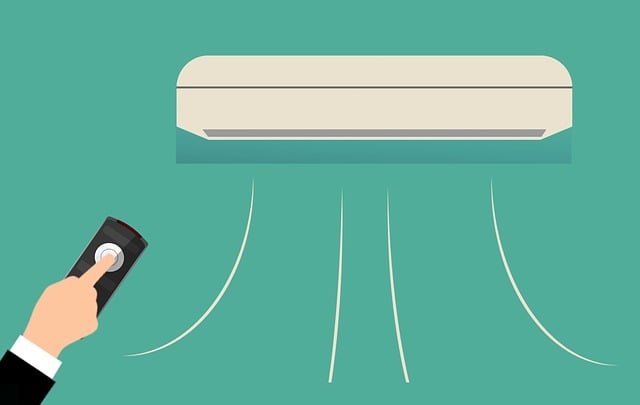
Efficient heating, ventilation, and air conditioning (HVAC) systems are important for maintaining comfortable, healthy, and cost-effective commercial spaces. As energy costs rise and environmental concerns grow, businesses are increasingly looking for innovative ways to optimize their HVAC operations. Technological advancements are transforming how systems are monitored, controlled, and maintained, resulting in improved performance and lower operating costs.
By integrating intelligent sensors, smart controls, and data analytics, companies can achieve precise temperature regulation while minimizing energy waste. These improvements reduce expenses and enhance occupant comfort and support sustainability initiatives.
Smart Controls and Real-Time Monitoring
Modern HVAC systems rely heavily on advanced controls and monitoring tools to maintain efficiency. Smart thermostats and building automation systems (BAS) enable precise temperature adjustments based on occupancy, time of day, and weather conditions. These technologies learn usage patterns and make automatic adjustments, ensuring that energy is used only when and where it’s needed.
Real-time monitoring allows facility managers to detect performance issues as they occur. Sensors track metrics such as temperature, humidity, airflow, and equipment status, providing valuable insights into system health. If a unit operates outside its optimal range, alerts notify maintenance teams immediately, preventing minor problems from turning into major repairs.
This proactive approach improves system reliability and extends equipment lifespan. Businesses that invest in commercial HVAC services often benefit from integrating these technologies with professional expertise. Technicians can configure systems to work at peak performance, interpret data insights, and implement solutions that maximize energy savings without compromising comfort.
Predictive Maintenance Through Data Analytics
Traditional maintenance schedules rely on fixed intervals, which can lead to unnecessary servicing or unexpected breakdowns. Predictive maintenance, powered by data analytics, changes this approach by using real-time performance data to anticipate issues before they occur.
By analyzing sensor readings and equipment behavior, predictive systems can detect signs of wear, inefficiency, or potential failure. Changes in energy consumption patterns may indicate a clogged filter or a failing motor. Addressing these issues early reduces downtime, minimizes repair costs, and ensures uninterrupted operation.
Predictive maintenance improves budget planning by reducing surprise expenses. Instead of reacting to breakdowns, businesses can allocate resources more effectively and schedule maintenance during convenient periods, avoiding disruptions to daily operations.
Energy Management and Automation
Energy consumption accounts for a significant portion of a building’s operational costs, and HVAC systems are often the largest contributors. Automation and energy management platforms help businesses reduce waste by optimizing system performance.
Automated controls adjust HVAC settings based on occupancy sensors, weather forecasts, and historical usage patterns. Systems can automatically lower heating or cooling in unused spaces or during off-hours. These adjustments, though subtle, result in significant energy savings.
Some advanced platforms integrate renewable energy sources, such as solar panels, to further reduce reliance on traditional power. By combining automation with clean energy, businesses lower both costs and carbon footprints.
Integration with Building Information Systems
Commercial HVAC systems no longer operate in isolation. Integration with building information systems (BIS) allows for centralized control and coordination between multiple building components. Lighting, security, and HVAC can all communicate through a unified platform, making it easier to manage complex facilities.
When lighting systems detect that an area is unoccupied, the HVAC system can automatically adjust airflow and temperature to conserve energy. This level of coordination ensures that all building systems work together efficiently, reducing waste and enhancing performance.
Integration simplifies facility management. With a single interface, operators can view system performance, adjust settings, and receive alerts from different building components, improving decision-making and response times.
Environmental and Regulatory Benefits
Technological advancements in HVAC efficiency support environmental sustainability and help businesses meet regulatory requirements. Many regions have implemented stricter energy efficiency standards and emissions regulations for commercial buildings. Smart HVAC technologies make compliance easier by providing detailed data and automated reporting capabilities.
Energy-efficient HVAC systems reduce greenhouse gas emissions and contribute to corporate sustainability goals. Businesses that invest in green technologies may qualify for incentives, tax credits, or certifications such as LEED (Leadership in Energy and Environmental Design). These benefits enhance brand reputation and demonstrate a commitment to environmental responsibility.
Leveraging IoT for Greater System Connectivity
The Internet of Things (IoT) is playing a growing role in HVAC efficiency by connecting multiple devices and systems into a cohesive network. IoT-enabled sensors gather real-time data on temperature, humidity, and equipment performance, allowing businesses to fine-tune operations with unprecedented accuracy.
These connected systems make it easier to coordinate HVAC functions across multiple zones or buildings, ensuring consistent comfort while minimizing energy waste. Remote monitoring capabilities give facility managers the flexibility to make adjustments from anywhere, improving responsiveness and reducing the need for on-site interventions. As IoT technology continues to advance, HVAC systems will become even more adaptive, predictive, and efficient.
Technology is revolutionizing how commercial HVAC systems operate, making them smarter, more efficient, and more reliable. Through smart controls, predictive maintenance, automation, system integration, and regulatory compliance, businesses can achieve significant cost savings while improving comfort and sustainability.
Investing in modern HVAC technology is not just about upgrading equipment; it’s about adopting a smarter, more strategic approach to building management. Companies that embrace these innovations will be better positioned to reduce operational costs, meet environmental goals, and provide superior experiences for building occupants.