
How Digital Monitoring Systems Help Identify and Prevent Nursing Home Injuries
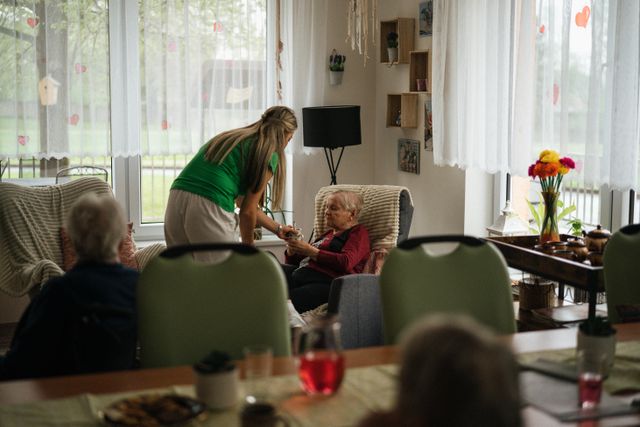
Nursing homes are supposed to be a safe space for aging adults who need assistance with daily activities. However, residents face various risks, including pressure injuries, falls, and medication-related complications. Preventing these risks requires more than periodic observation. It needs consistent monitoring, accurate documentation, and systems that make it easy for caregivers to identify potential problems.
With healthcare technology evolving, digital monitoring systems have become important in care environments. These systems allow caregivers to collect and interpret information about the residents’ condition and safety concerns. They are beneficial in the following ways;
Help Identify Falls Before They Occur
Falls are probably the most common safety concerns in nursing homes. They mostly affect residents with impaired mobility, cognitive impairments, and muscle weakness. Falls can result in fractures, loss of confidence, and prolonged recovery.
Traditionally, falls prevention heavily relied on staff observation, environmental assessment, and call buttons. While these measures remain important, caregivers cannot continuously observe all residents, especially in populated care homes. Digital systems provide an additional layer of awareness.
Modern systems use wearable devices, sensors, and motion detectors to help caregivers identify residents who need attention. For instance, bed-exit sensors can alert staff when residents who need assistance exit their beds. Movement monitoring systems notify caregivers when a resident enters rooms associated with increased risks and when movement patterns change.
These alerts allow caregivers to prioritize assistance. A resident with a history of falls and attempts to stand without assistance requires immediate support. Integrating this into the residents’ care plans allows staff to make informed decisions on how to respond.
Identify Patterns of Abuse and Injuries
Digital systems help identify recurring safety concerns, questionable practices, and circumstances that indicate neglect or abuse. While some injuries result from unavoidable medical circumstances, others are associated with inadequate supervision, unsafe environments, and delayed assistance.
Unfortunately, residents can’t always explain how the injury occurred. Cognitive impairment, communication barriers, and physical limitations make it difficult for some residents to report factually what happened. In such situations, documentation and monitoring systems provide important information to support investigation and protect residents.
Electronic reporting platforms allow caregivers to document falls, bruises, and other safety concerns in a centralized system. Properly kept records allow facility managers and clinical supervisors to review information from different departments, shifts, and teams easily.
Digital records also make it easier to identify patterns instead of relying on handwritten reports and staff recollections. Admins can review incident histories and compare reported events to determine whether corrective measures are necessary. This is particularly beneficial when investigating nursing home abuse injuries.
However, the effectiveness of these systems depends on the quality of information fed into the system. Electronic reporting tools can guide staff through standard reporting processes and prompt them to record essential details, such as the date and time the incident occurred, location, the resident's condition, and witnesses. Standardized reporting reduces the likelihood that some crucial information can get omitted.
Endnote
Digital tools have become important tools for improving residents’ safety, reducing injuries, and strengthening clinical oversight. From wearable devices to electronic reporting tools, they provide platforms that support early intervention and informed decision-making.